The whole point of a wishlist is other people seeing it — and that’s exactly the part that makes people squirm. Is sending your list greedy? Will the surprise die? What if two people buy the same thing? All three worries have clean answers, and they’re mostly about how you share, not whether you should.
The etiquette, settled
Sharing a wishlist is answering a question people were already asking. Every December, group chats fill with “what does your mom want?” and “any ideas for Alex?” — a list is the polite, useful reply. The three habits that keep it comfortable:
Share when asked, offer once when not. “If you’re stuck for ideas, my list is here — zero pressure” lands fine in any family chat. Sending weekly reminders does not.
Keep a price spread. A list that starts at $80 reads as an invoice. Items from $10 up let everyone participate at their comfort level.
Never assign items to people. The list is a menu. The moment you tell your brother which item is “his”, it stops being a gift.
Keeping the surprise alive
The classic objection — “but then I’ll know what I’m getting” — is a solved problem. A wishlist tells your family the set of things you’d love; it doesn’t tell you which one is wrapped, or by whom. With 12–15 items on the list and five gift-givers, the math keeps the morning interesting.
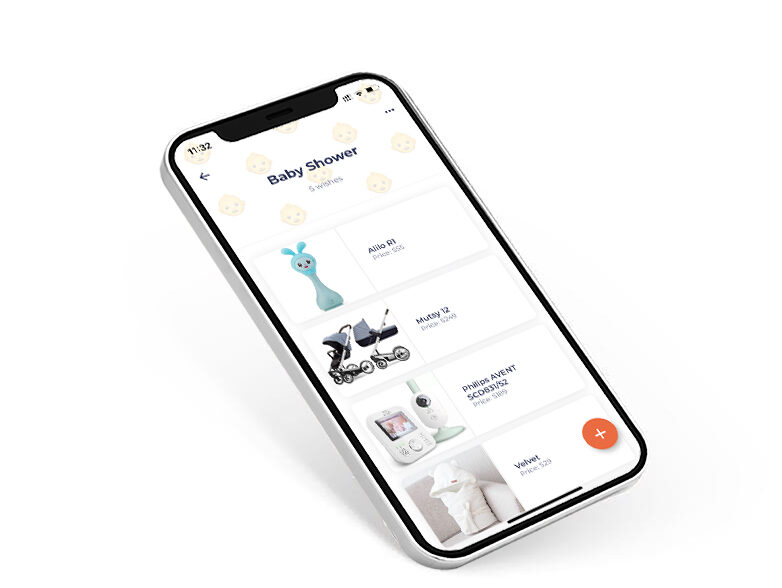
The piece that makes this work mechanically is reservation. In the Listery app, when someone decides to buy an item, they mark it reserved — every other gift-giver sees it’s taken, but you don’t see anything at all. No duplicate slippers, no spoiled surprise, no group-chat logistics thread trying to coordinate who buys what.
Sharing with different audiences
Close family — share the full list, once, in the family chat a few weeks before the occasion. For Christmas, September–November is the sweet spot; details in our Christmas wishlist guide.
Partners — the wishlist is a gift to them, honestly. It replaces a season of anxious hint-decoding. Keep one “dream tier” item on it; that’s what anniversaries are for.
Coworkers and Secret Santa — attach a mini-list of under-$25 items when you sign up for the exchange. It’s expected now; the Secret Santa generator asks for one at draw time.
Kids’ lists for relatives — parents curate the list, grandparents get the link, reservation quietly prevents the third identical LEGO set. This one feature has saved more Christmases than eggnog.
What not to put on a shared list
Money requests, anything you’d be embarrassed to discuss at dinner, and items that are really errands (“new tires”). A wishlist is for things people can feel good about giving — keep the practical-but-joyless purchases for yourself.
Quick answers
Is it rude to send someone your wishlist?
Unprompted and repeated — yes, a bit. Once, framed as “in case it helps”, or in reply to being asked — not at all. Gift-givers consistently say they prefer a list to guessing.
How do I share a wishlist without spoiling the surprise?
Keep the list longer than the number of gift-givers, and use an app with hidden reservations. You’ll know the possibilities, never the outcome.
Can people buy the same gift twice from a shared list?
Not if the list supports reserving. In Listery, a reserved item is visibly taken for every guest while staying invisible to the list’s owner — duplicates become structurally impossible.
Every January, the returns counters tell the same story: perfume nobody asked for, sweaters in the wrong size, gadgets that duplicate something better. Meanwhile, the gifts that survive — the ones people keep, use, and mention in March — follow a pattern you can copy. We watch thousands of wishlists get made in the Listery app, and the items people ask for look very different from the items people guess at.
The pattern behind gifts people keep
Three traits show up over and over in wishlisted gifts, and they’re the anti-returns formula:
They’re specific. People don’t wishlist “a blanket”; they wishlist the exact blanket — brand, color, size. A gift matched to a stated want has nowhere to fail.
They attach to a habit that already exists. The runner asks for running gear, the cook for the knife. Gifts that require a new lifestyle (“you could start journaling!”) are the most-returned category there is.
They’re the version people won’t buy themselves. The $40 candle, the properly good coffee, the upgrade tier of the thing they use daily. Affordable to a giver, indulgent to the receiver — that’s the sweet spot.
What this looks like under the tree
Translated into actual shopping, the keep-forever categories, with the reliable picks inside each:
Daily-use upgrades — quality versions of headphones, wallets, water bottles, weekend bags. Browse by person in our gift catalog to match the specific human.
Consumables with taste — great coffee, chocolate that comes in a box worth keeping, hot sauce for the person with opinions about hot sauce. Zero clutter risk, which is why they’re never returned.
Hobby deep-cuts — the accessory only a fellow enthusiast would know to buy. This is where a wishlist shines: you get the exact model number without needing to understand it.
Cozy neutrals — throws, slippers, robes in cream, grey, and beige. Size-flexible and taste-safe, which is why they top the “gifts for” searches every December: see for mom, for grandma.
Experiences with a date — tickets and bookings beat vague vouchers; a plan is a gift, a “someday” is homework.
The step that removes guessing entirely
Here’s the quiet revolution in how families do Christmas now: everyone keeps a wishlist, and gift-giving becomes choosing which wanted thing to give, not guessing whether it’s wanted at all. The surprise survives — nobody knows which item, or from whom — but the returns line doesn’t. In Listery’s Christmas wishlist, family members can even reserve items secretly, so two aunts don’t buy the same slippers.
If your family hasn’t made lists yet, September-to-November is the window: send one link to the group chat, let it fill up quietly, shop in peace before December prices and shipping panic arrive.
Quick answers
What’s the most returned Christmas gift?
Clothing leads returns every year — sizes and taste are guessed wrong more often than right — followed by beauty products and consumer gadgets. All three become safe when they come off an actual wishlist instead of a guess.
When should I start Christmas shopping?
October, realistically. Prices are calmer, popular items are in stock, and shipping has slack. The families that finish before December all share one habit: the wishlists were made in autumn.
How do I find out what someone wants without asking?
Ask anyway — or better, get them wishlisting. “Send me your Listery list” is one message, feels casual, and replaces a season of detective work.
The $20 Secret Santa gift is a genre of its own: it has to feel chosen, survive being opened in front of the whole office, and not scream “I grabbed this at the checkout”. The good news — under $20 is actually a rich price range, as long as you shop by the person’s type instead of wandering the “gifts” aisle. Thirty ideas below, grouped the way people actually differ.
For the desk dweller
A genuinely good ceramic mug (not a joke mug — a nice one)
Desk plant in a self-watering pot
Quality gel pens plus a dotted notebook
A tiny desktop heater-fan or a mug warmer
Cable organizer set that looks like an adult bought it
A card game for lunch breaks
For the cozy one
Thick knit socks in a neutral color
A candle in a “safe” scent — vanilla, cedar, clean linen
Sleep mask plus a silky pillowcase
Hot chocolate set with proper marshmallows
A small fleece throw for the couch
For the kitchen person
Hot sauce trio or a fancy olive oil
A sharp paring knife (the one everyone lacks)
Cocktail kit for one signature drink
Milk frother for home-latte ambitions
Spice blend set from an actual spice shop
For the one with headphones on
Headphone stand or a padded case
A power bank that fits in a pocket
Phone stand for desk video calls
Digital gift card for their game store of choice
Cleaning kit for screens and earbuds (weirdly beloved)
For the self-care believer
Sheet mask bundle plus a good hand cream
Shower steamers (the shower person’s bath bomb)
A guided journal that isn’t preachy
Herbal tea sampler with an infuser
A tiny massage-ball set for desk shoulders
Wildcards that work for almost anyone
A scratch-off “100 movies” poster
Nice chocolate that looks like a gift, not a snack
A puzzle in their exact vibe (art, maps, cats — know your audience)
Lottery-style: a $20 gift card to a place they actually go
How to pick from this list in 60 seconds
Answer two questions about your person: what do they do at lunch, and what’s on their desk? Lunch-walker with a tidy desk — cozy or self-care. Snack drawer and three monitors — desk or headphones category. Talks about food — kitchen, always kitchen. If you truly know nothing, the wildcard section exists for you, and the chocolate never fails.
Better yet, make next year’s exchange self-solving: run it through the Listery Secret Santa generator, where every participant attaches a mini-wishlist at sign-up. Anonymous gifting with zero guessing — the entire problem this article solves, solved at the source. More ideas by person and budget: the Listery gift catalog.
Quick answers
Is $20 enough for a good Secret Santa gift?
Yes — it’s the most common budget worldwide, and the categories above stay comfortably under it. Specificity, not spend, is what makes a small gift feel generous.
What should you avoid at an office exchange?
Alcohol (unless your office culture clearly allows it), perfume, clothing with sizes, anything romantic, and joke gifts that need explaining. When in doubt, cozy plus consumable is the safe lane.
Secret Santa is simple on paper: everyone draws a name, buys one gift, stays anonymous until the reveal. In practice, every office and family manages to reinvent three classic disasters — someone forgets, someone spends triple the budget, and someone gets a gift that’s clearly a regift from last year. The rules below fix all three, and they fit in one message to the group chat.
The five rules that make Secret Santa work
Set the budget as a range, not a cap. “$15–$20” works better than “up to $20”, because a cap invites $6 gas-station gifts next to $20 thoughtful ones. Most groups land on $15–$25; going above $30 quietly excludes people.
Draw names with a tool, not from a hat. A hat draw in the office kitchen means someone’s absent, someone draws themselves, and someone saw. An app draw handles exclusions (couples, managers) and re-draws instantly. Listery’s Secret Santa generator does the draw and keeps assignments genuinely secret — even the organizer can’t peek.
Collect wishlists up front. Anonymity plus zero information is how novelty socks happen. Have every participant attach a short wishlist at sign-up; buying for a name you barely know becomes a two-minute task instead of a mall wander.
Set two dates, not one. A “gifts bought by” date a week before the exchange, and the exchange itself. The reminder before the first date is what saves the person who always forgets.
Decide the reveal rule in advance. Guess-the-Santa after each gift is the fun version for families and small teams; staying anonymous forever suits big offices. Both are fine — announcing it beforehand is what matters.
Exclusions, remote players, and other real-life cases
A few situations that break naive name-draws, and the standard fixes:
Couples in the group — exclude them from drawing each other; they already exchange gifts. Any decent generator supports exclusion pairs.
Remote participants — shift them to online gifts: an e-card, a digital subscription, or shipping directly to their address from the store. Wishlists with links make this painless.
Someone drops out late — the organizer quietly takes the orphaned name. This is the one place organizer-anonymity bends.
Kids in a family game — either give kids their own draw with a smaller budget, or make kids receivers-only. Mixing $10 kid budgets with $25 adult ones causes friction.
A timeline that never feels rushed
For a December exchange: sign-ups and wishlists by mid-November, draw before Thanksgiving, gifts bought by mid-December, exchange at the last gathering before the holidays. Total organizer effort with an app handling draws and reminders: about fifteen minutes, once.
Quick answers
What’s a normal Secret Santa budget?
$15–$25 for offices and friend groups, $25–$50 for families that treat it as the main gift exchange. Pick the number so the most budget-conscious person in the group is comfortable, not the most enthusiastic one.
Can the organizer participate?
Yes — if the draw is done by an app rather than by the organizer’s own hands. That’s half the reason to use one.
What if someone doesn’t know what to buy?
That’s what the attached wishlist is for. If your group skipped that step, browse gifts by person and budget in our gift ideas catalog — it’s built from what real people actually wishlist.
A birthday wishlist works when it does two jobs at once: it saves your people from guessing, and it saves you from unwrapping a third scented candle. The recipe is short — 10 to 15 items, spread across price ranges, shared a few weeks before the date — but most lists fail on details that take five minutes to fix. Here’s how to build one people will actually buy from.
Start with the price spread, not the items
The most common wishlist mistake is accidental: every item costs about the same. Your coworker opens the list, sees nothing under $60, closes the list, buys you a mug. A list that works has three tiers:
Under $25 — for coworkers, distant relatives, and friends-of-friends. Books, snacks you love, small accessories, that specific tea.
$25–$75 — the core of the list, where most friends and family shop. Aim for at least half your items here.
$75+ — one to three “dream tier” items. These are for parents, partners, or groups of friends chipping in together.
That last case is worth designing for: a group of five friends spending $20 each can cover a $100 gift — but only if they can see the big item and coordinate. In the Listery app, friends can reserve an item so nobody double-buys it, which quietly solves the two classic birthday disasters: duplicate gifts and “we didn’t know you wanted that”.
Be specific enough to survive a stranger
Write each item as if the buyer knows nothing about you, because your aunt doesn’t know what “the usual headphones, but better” means. Specific beats vague every time:
Not “running shoes” — “Brooks Ghost, size 9, the grey ones”.
Not “something cozy” — “an oversized knit blanket, cream or beige, no fringe”.
Not “a book” — “the new Erin Morgenstern, hardcover”.
If you’re saving items in a wishlist app, paste the exact product link — Listery pulls in the photo, price, and store automatically, so there’s no ambiguity about which version, which color, which size. The five minutes you spend being precise is five returns someone else doesn’t make.
What to put on it when your mind goes blank
Everyone freezes when asked what they want. Walk through these categories and you’ll have fifteen items before you finish your coffee:
Upgrades — things you already use daily, in the version you’d never buy yourself: wallet, water bottle, headphones, work bag.
Consumables — coffee, skincare, hot sauce, fancy chocolate. Zero clutter, always welcome.
Hobby fuel — whatever feeds your current obsession, from yarn to yoga blocks to game credit.
The postponed purchase — the thing you’ve googled three times and closed the tab on. That’s a wishlist item, not a character flaw.
Experiences — concert tickets, a massage, a class. Great for the $75+ tier.
Need inspiration by person or occasion? Browse our gift ideas catalog — it’s built from what real people save to their wishlists, sorted by recipient, age, and budget.
Share it early, and don’t be weird about it
A wishlist shared two days before your birthday is a to-do item; shared three weeks early, it’s a relief. The etiquette that keeps it comfortable:
Share the link when someone asks what you want — that’s not greedy, that’s answering a question.
For family occasions, one message to the group chat (“if you’re stuck for ideas, here’s my list — zero pressure”) lands fine.
Never assign specific gifts to specific people. The list is a menu, not homework.
And keep the list alive year-round. The best wishlist isn’t written in a panic the week before your birthday — it’s the one you add to in the moment, every time you think “oh, I’d love that”. By the time the date rolls around, the work is already done.
Quick answers
How many items should a birthday wishlist have?
10–15. Fewer than 8 feels like an order form; more than 20 overwhelms buyers. Spread them across price tiers so everyone from coworkers to parents finds something.
Is it rude to share a wishlist?
No — surveys on gifting consistently find people prefer buying something the recipient actually wants over guessing. Share it when asked, keep the tone light, and include a range of prices so nobody feels boxed in.
What’s the easiest way to make one?
A wishlist app beats a notes-app list because links stay attached to photos and prices, friends can reserve items to avoid duplicates, and you can share one link instead of forwarding screenshots. Listery is free on iOS and Android, and works with any online store.
As your child’s birthday approaches, you may be wondering what gifts to request for them. To help you and your friends and family choose the perfect gifts, we recommend creating a wishlist. Here are some tips to help you create a wishlist that meets your child’s needs and interests:
Consider your child’s age and developmental stage: Choose toys and gifts that are appropriate for your child’s age and developmental stage. For example, for a one year old, choose toys that promote gross motor skills and sensory exploration.
Consider your child’s interests: Take into account your child’s favorite colors, animals, and interests. For example, if your child loves animals, consider adding books, toys, or games that feature their favorite animals.
Consider the type of toy: Consider the type of toy or gift you would like to receive, such as educational toys, books, outdoor toys, or art supplies.
Consider the durability: Choose toys and gifts that are durable and safe for your child. Look for toys that are made from high-quality materials and are designed to last.
Make a list in Listery: Write down your wishlist and share it with your friends and family. This way, they can choose a gift that you and your child will love.
Developmental Needs of a One-Year-Old Child
At the age of one, children are going through many changes in their physical, cognitive, emotional, and social development. Understanding these needs can help in choosing the best gift for a one-year-old child.
A. Physical Development
One-year-olds are becoming more active and exploring their physical abilities. They are learning to crawl, walk, and run, and they are developing their fine and gross motor skills. Gifts that encourage physical activity, such as push and pull toys, balls, and outdoor toys, can help support their physical development.
B. Cognitive Development
One-year-olds are also developing their cognitive abilities. They are beginning to recognize familiar objects and people, and they are starting to understand simple words and commands. Gifts that stimulate their cognitive development, such as stacking and nesting toys, puzzles, and books, can help them expand their understanding of the world.
C. Emotional and Social Development
Emotional and social development is also crucial at this age. One-year-olds are learning to express their emotions and forming attachments to familiar people. They also enjoy playing with others and imitating those around them. Gifts that encourage social interaction, such as soft toys, dolls, and play equipment, can help support their emotional and social development.
In conclusion, understanding the developmental needs of a one-year-old child can be valuable in choosing the best gift for them. The best gifts for a one-year-old are those that support their physical, cognitive, emotional, and social development, while also being fun and engaging.
Stacking and nesting toys
For a one year old child, some great examples of foldable and nesting toys are:
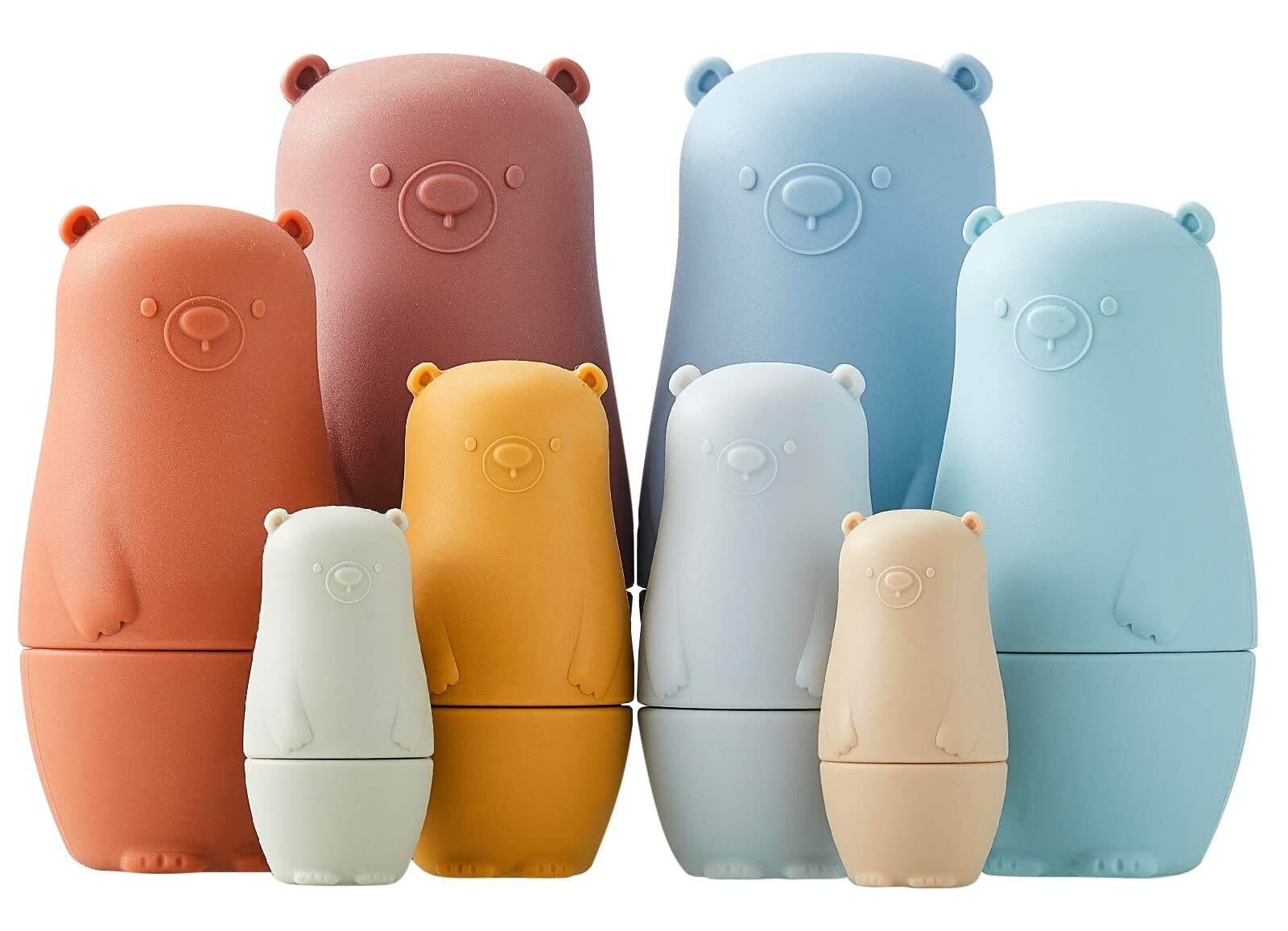
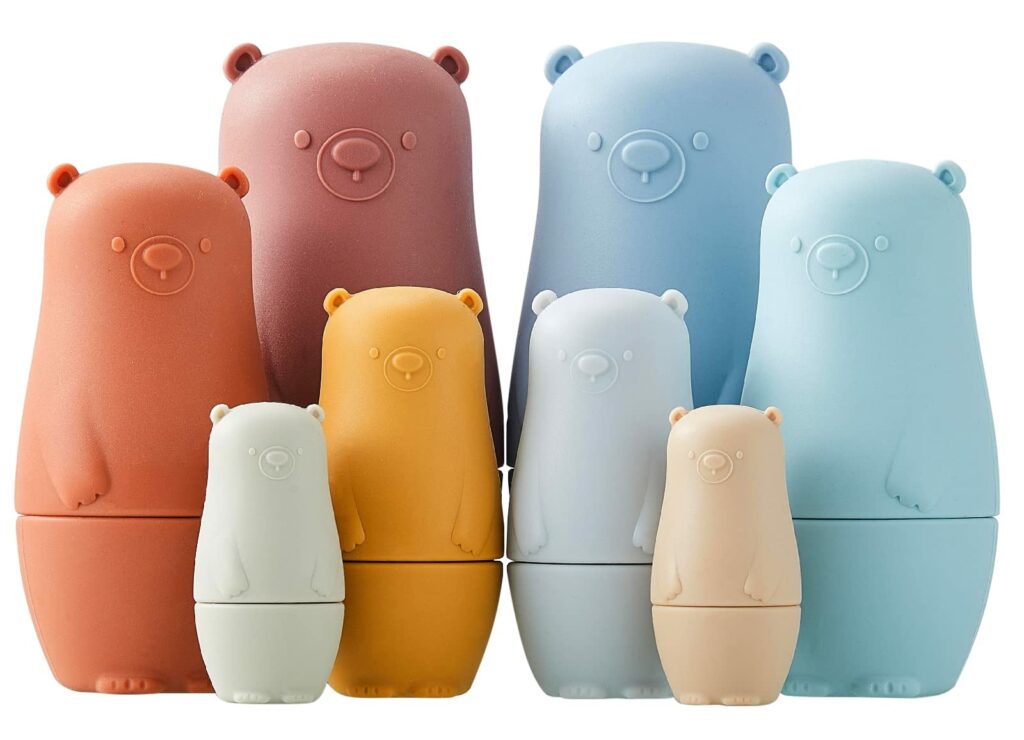
Nesting dolls – These are classic toys that come in different shapes and sizes, and can be nested inside each other.
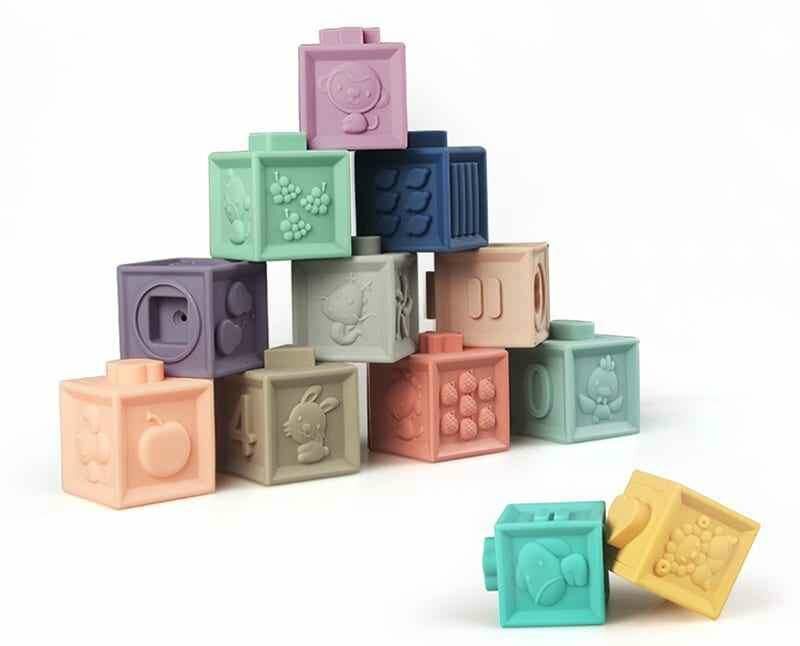
Stacking blocks – Brightly colored blocks that can be stacked on top of each other to build towers, promoting hand-eye coordination and fine motor skills.
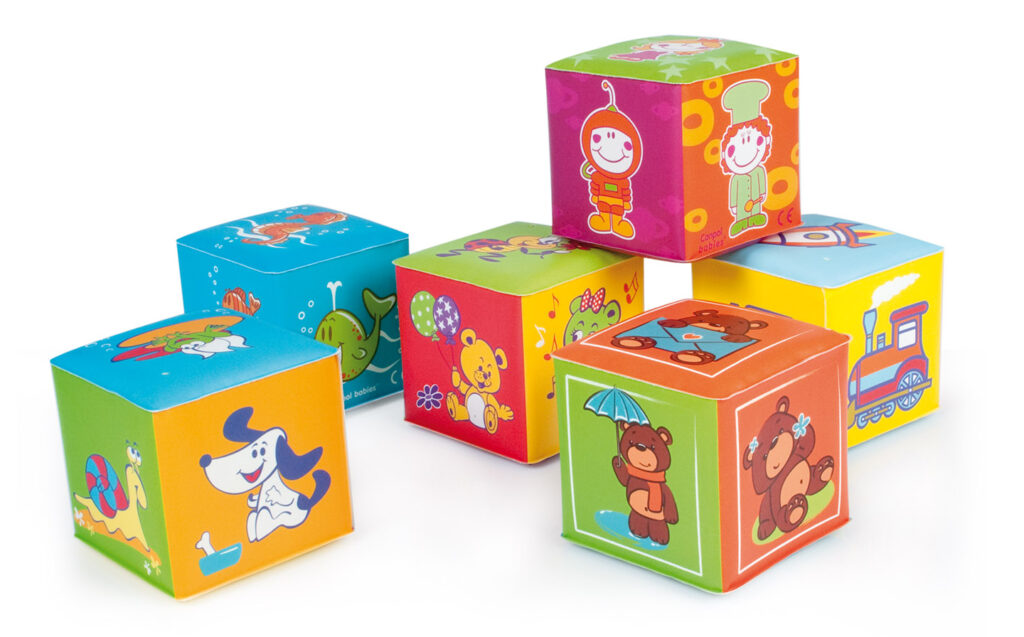
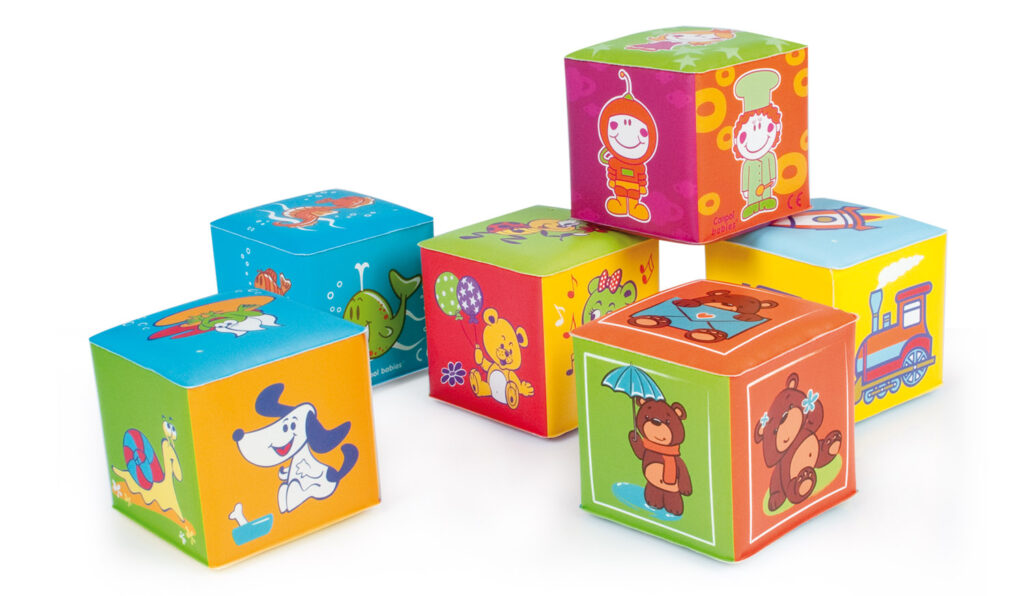
Fabric cubes – Soft, foldable cubes made of fabric that can be stacked, nested, and arranged in different ways to promote sensory exploration.
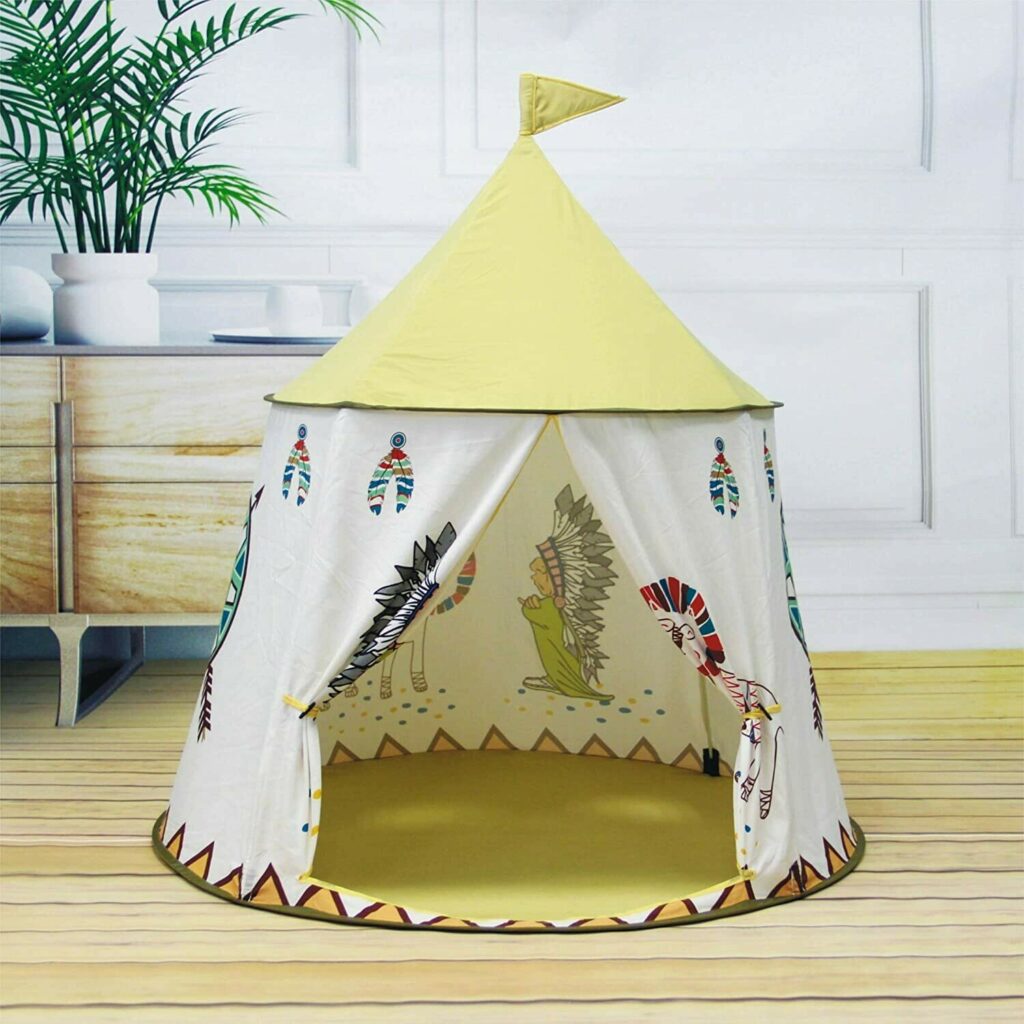
Pop-up tents – Foldable tents that can be easily assembled and disassembled, providing a fun, cozy space for the child to play and explore.
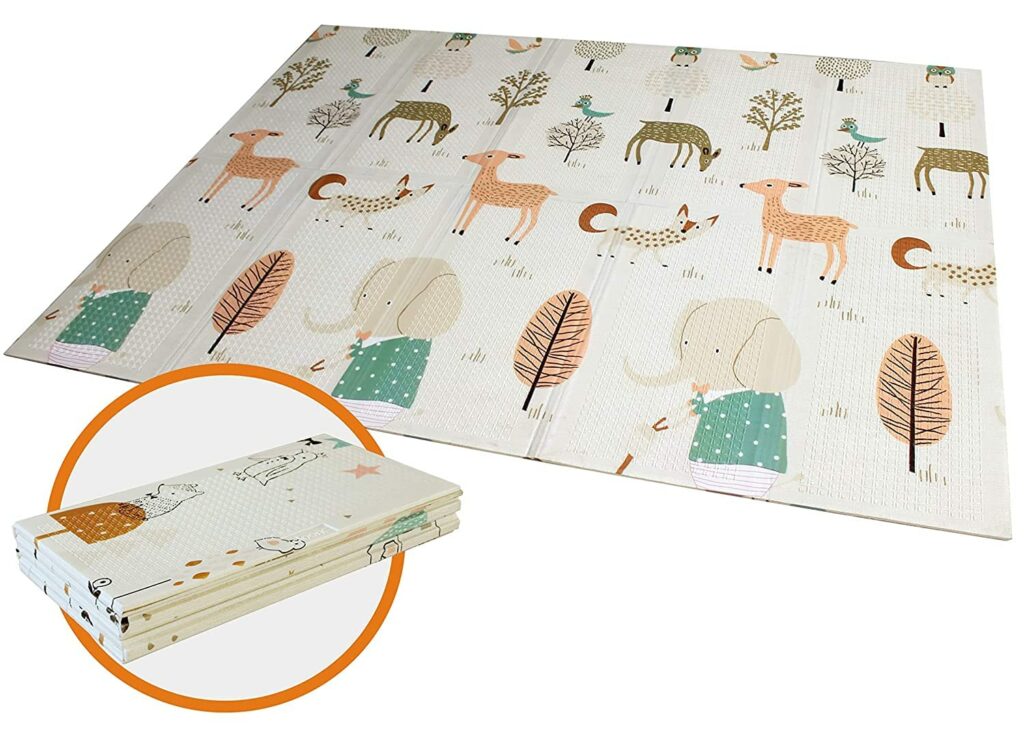
Folding play mats – Soft mats that can be easily folded and stored when not in use, providing a comfortable surface for the child to play on.
These toys are great for promoting hand-eye coordination, fine motor skills, and imaginative play. They are also generally safe and easy to clean, making them ideal for young children.
Musical toys
For a one year old child’s birthday, some great examples of musical toys are:
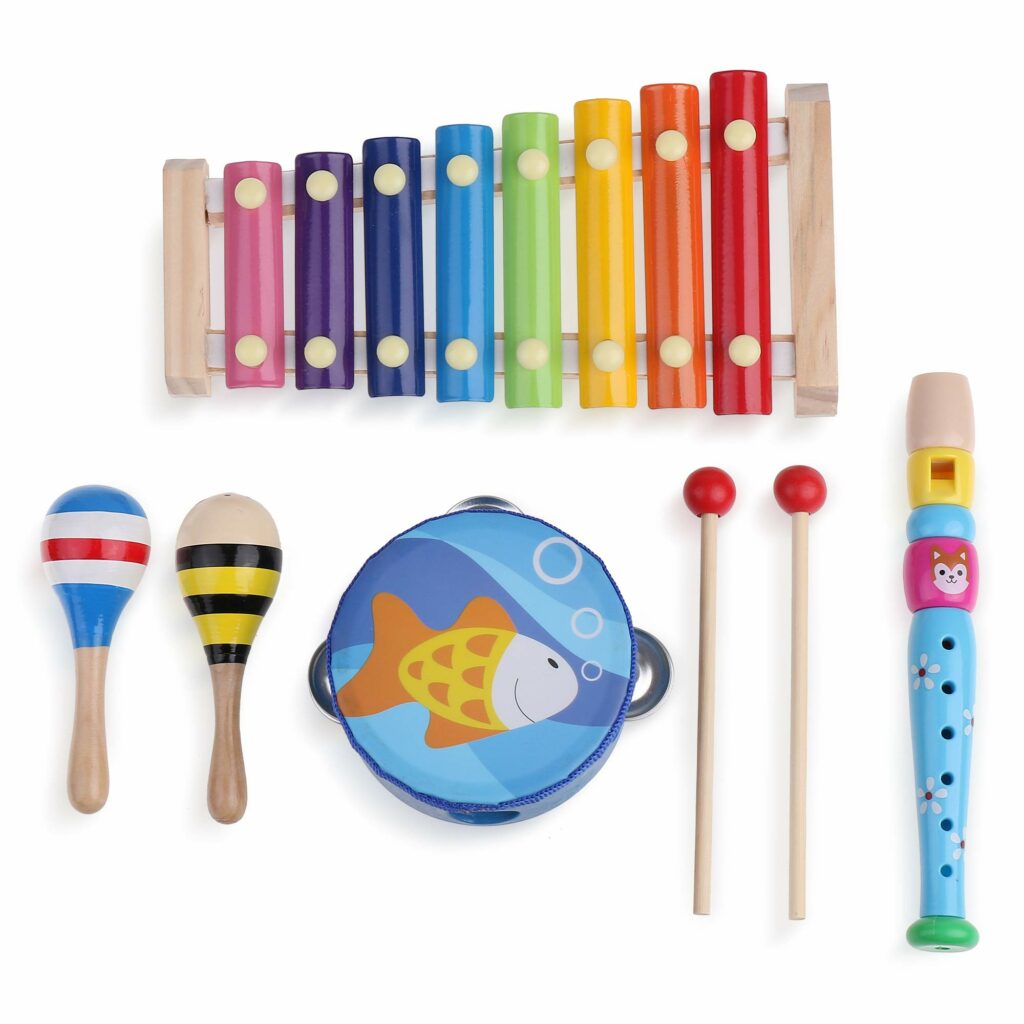
Musical instruments – Simple instruments like tambourines, maracas, or xylophones that the child can play and experiment with to develop their sense of rhythm.
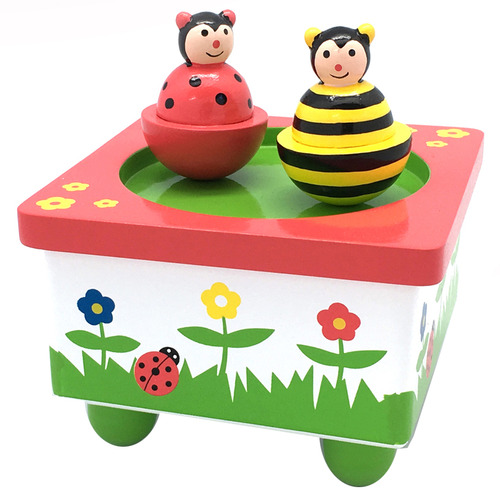
Music boxes – Classic toys that play a tune when a lever is turned, providing a fun way for the child to explore music and sound.
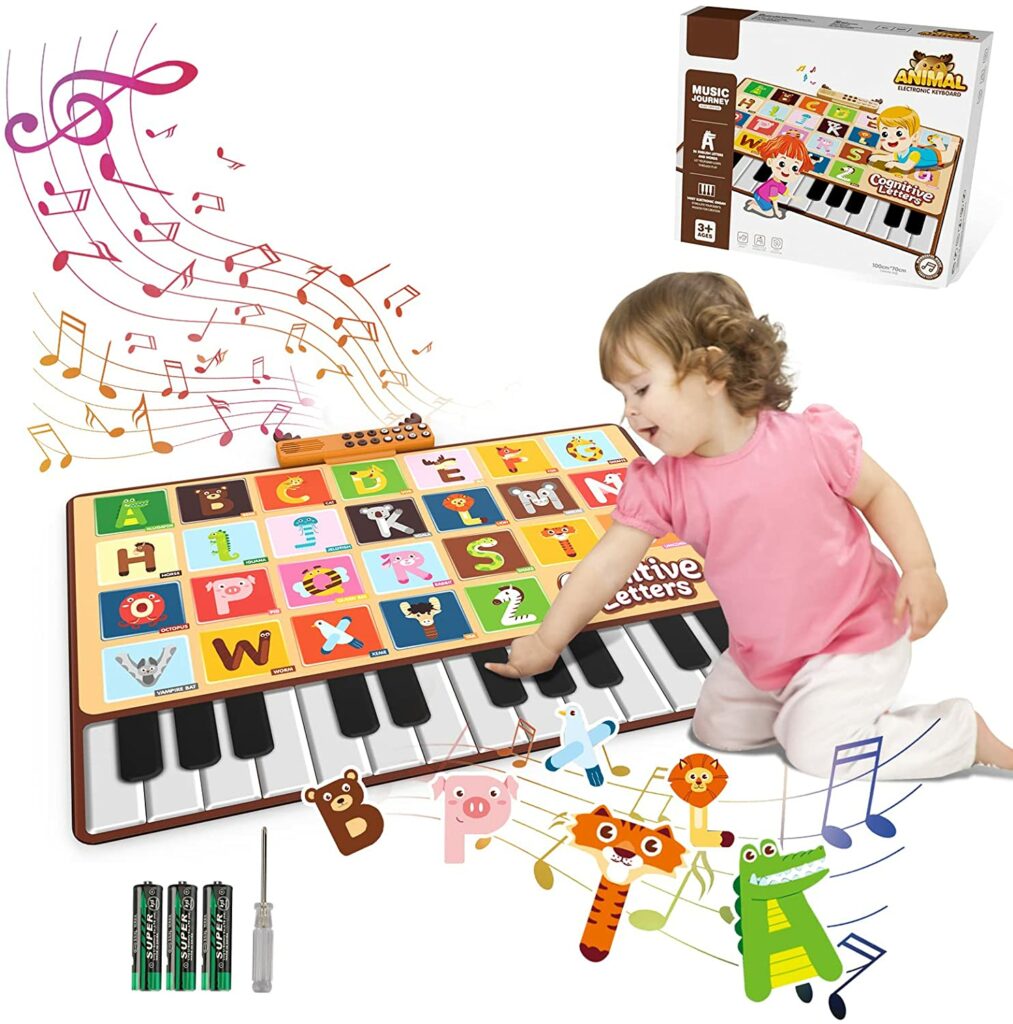
Electronic piano mats – Large, soft mats with buttons that play different sounds and tunes when the child steps on them, promoting gross motor skills and musical exploration.
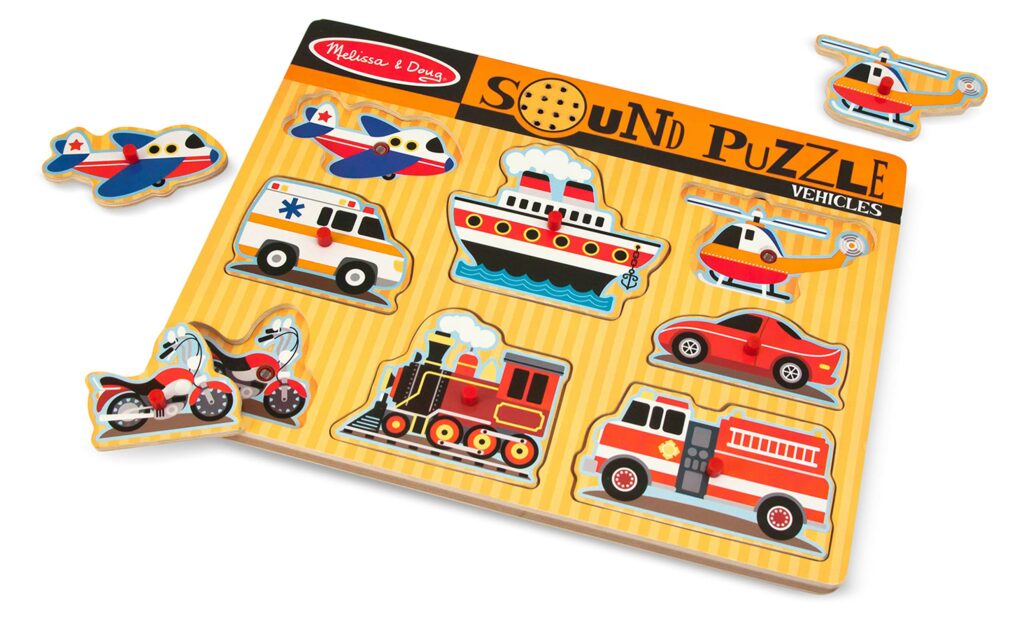
Sound puzzles – Puzzles that make a sound when the correct piece is placed in its proper location, helping the child develop problem-solving skills while exploring sound and music.
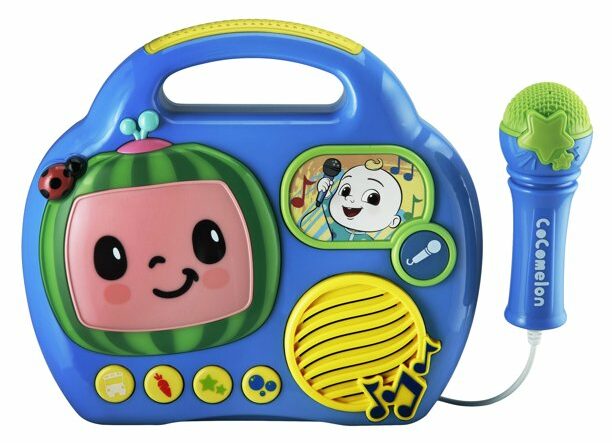
Sing-along toys – Toys that play a song when a button is pressed, encouraging the child to sing along and develop their musical skills.
These toys are great for promoting musical exploration, creativity, and hand-eye coordination. They are also safe for young children and are sure to provide hours of fun.
Soft toys
For a one year old child’s birthday, some great examples of soft toys are:
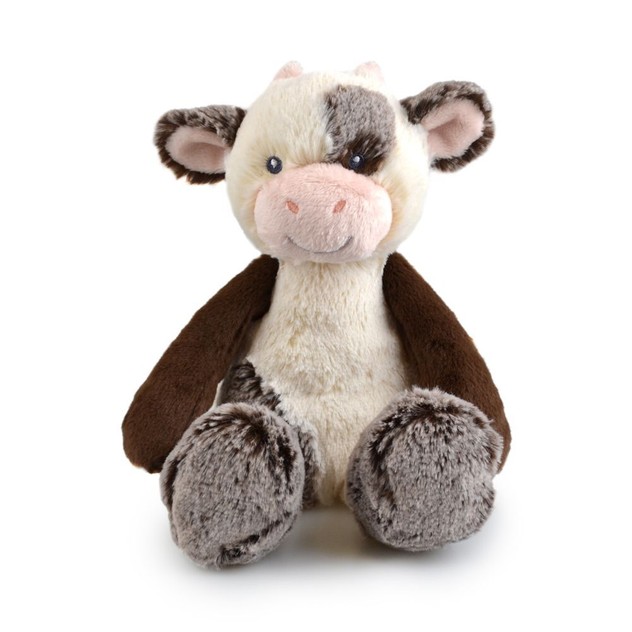
Stuffed animals – Classic toys that come in a variety of shapes and sizes, from teddy bears to dogs to lions. These provide comfort and companionship for young children.
Soft blocks – Soft, plush blocks that can be stacked, tossed, and arranged in different ways, promoting gross motor skills and sensory exploration.
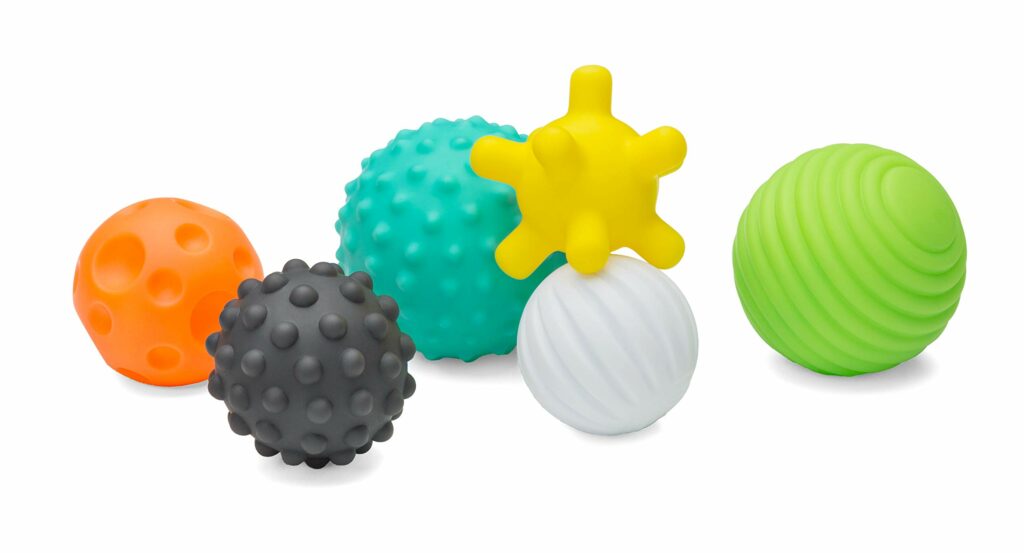
Sensory balls – Soft, squishy balls that come in different textures, shapes, and sizes, promoting sensory exploration and hand-eye coordination.
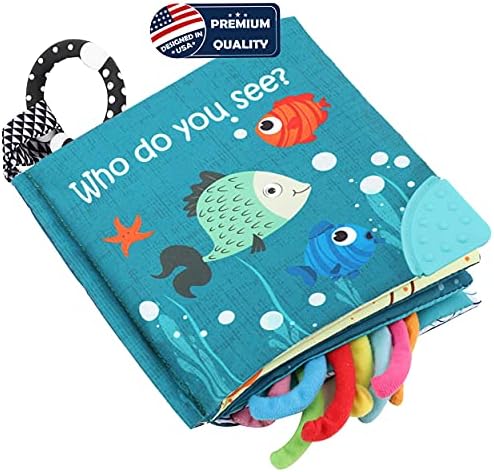
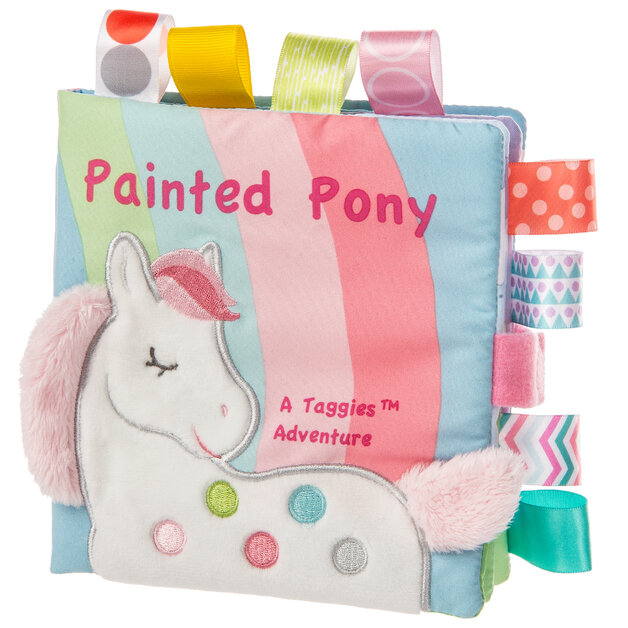
Cloth books – Soft, fabric books with colorful illustrations and simple stories, perfect for young children to explore and learn from.
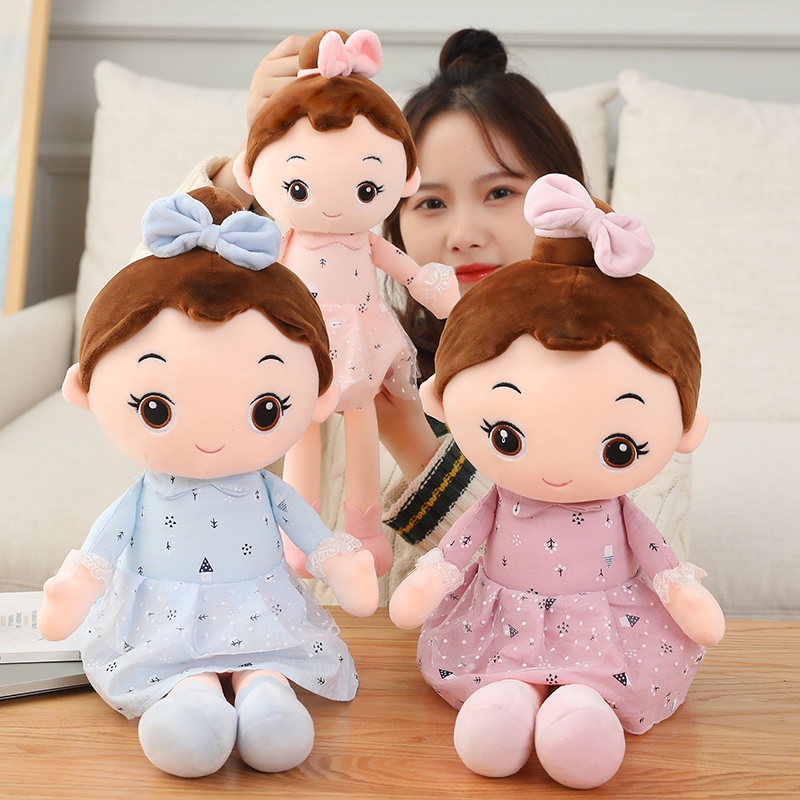
Dolls and plushies – Soft, huggable toys in the shape of babies, animals, or other creatures, promoting imaginative play and emotional development.
These toys are soft, safe, and easy for young children to play with, and can provide comfort and companionship as well as promote various developmental skills.
Push and pull toys
For a one year old child’s birthday, some great examples of push and pull toys are:
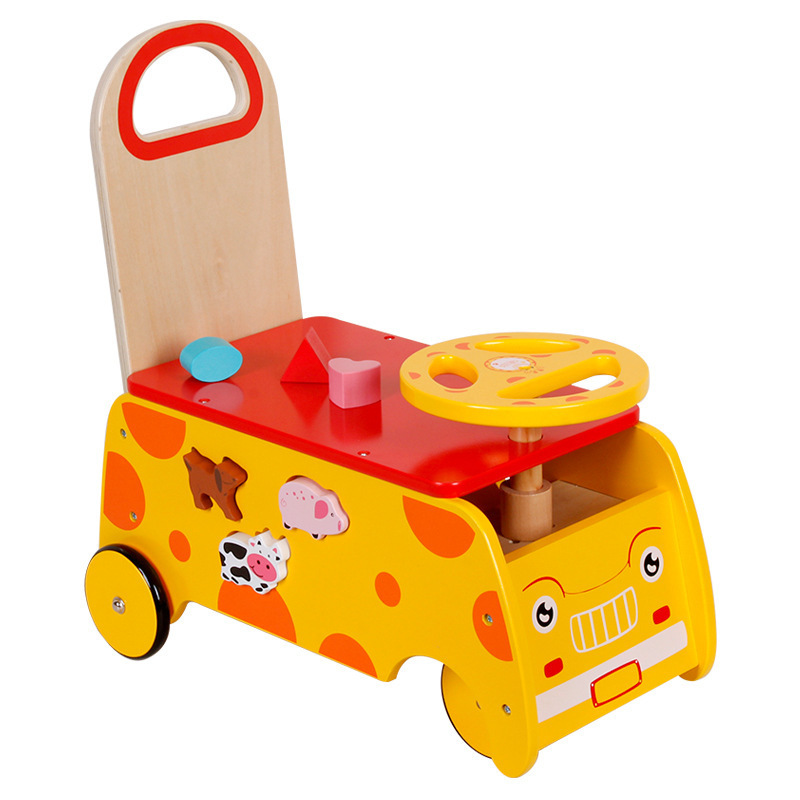
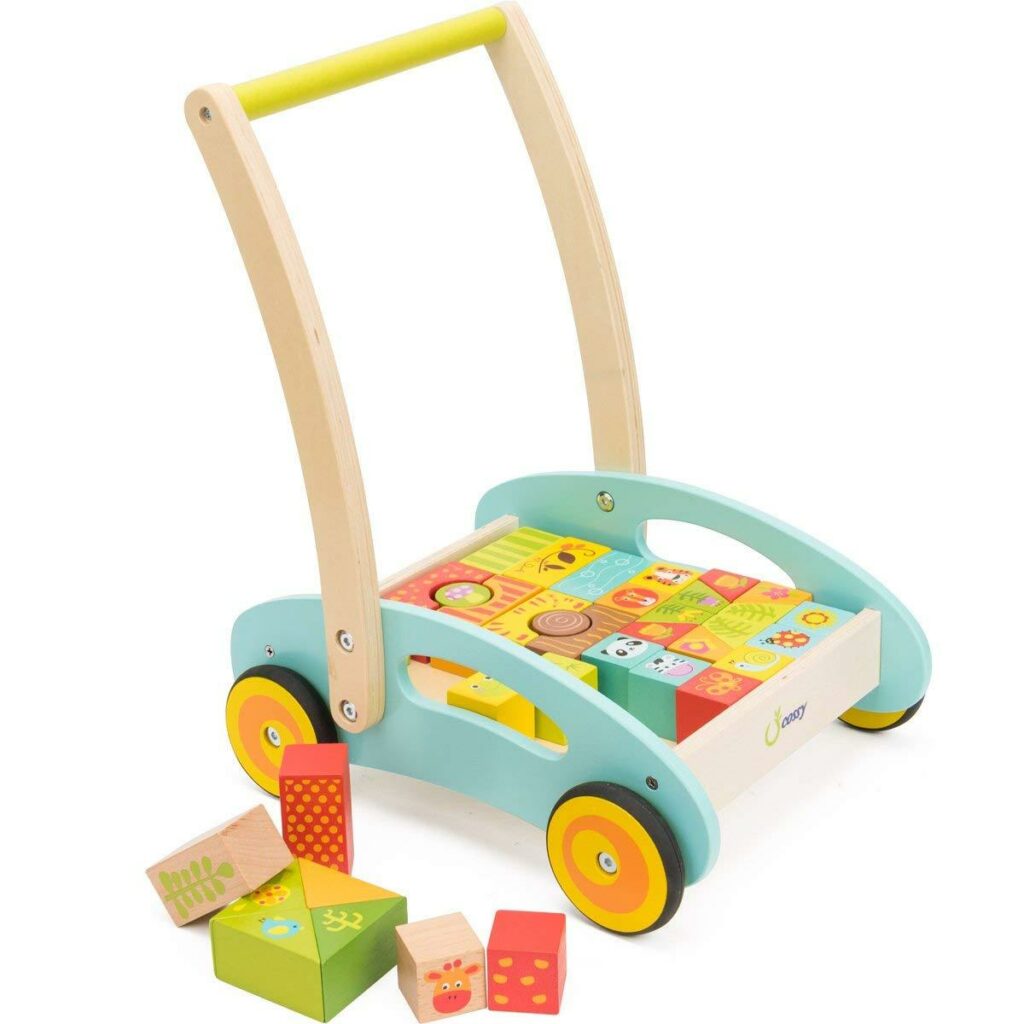
Wooden wagons – Classic toys with sturdy wheels that can be easily pushed and pulled, promoting gross motor skills and balance.
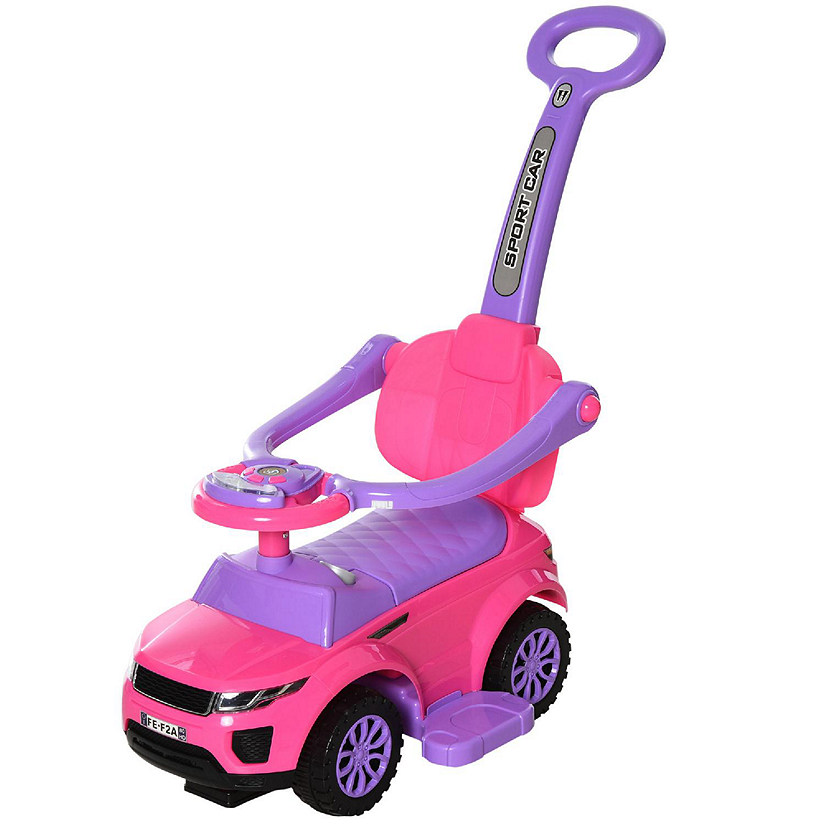
Push cars – Small, plastic or metal vehicles with wheels that can be pushed along the floor, promoting fine motor skills and imaginative play.
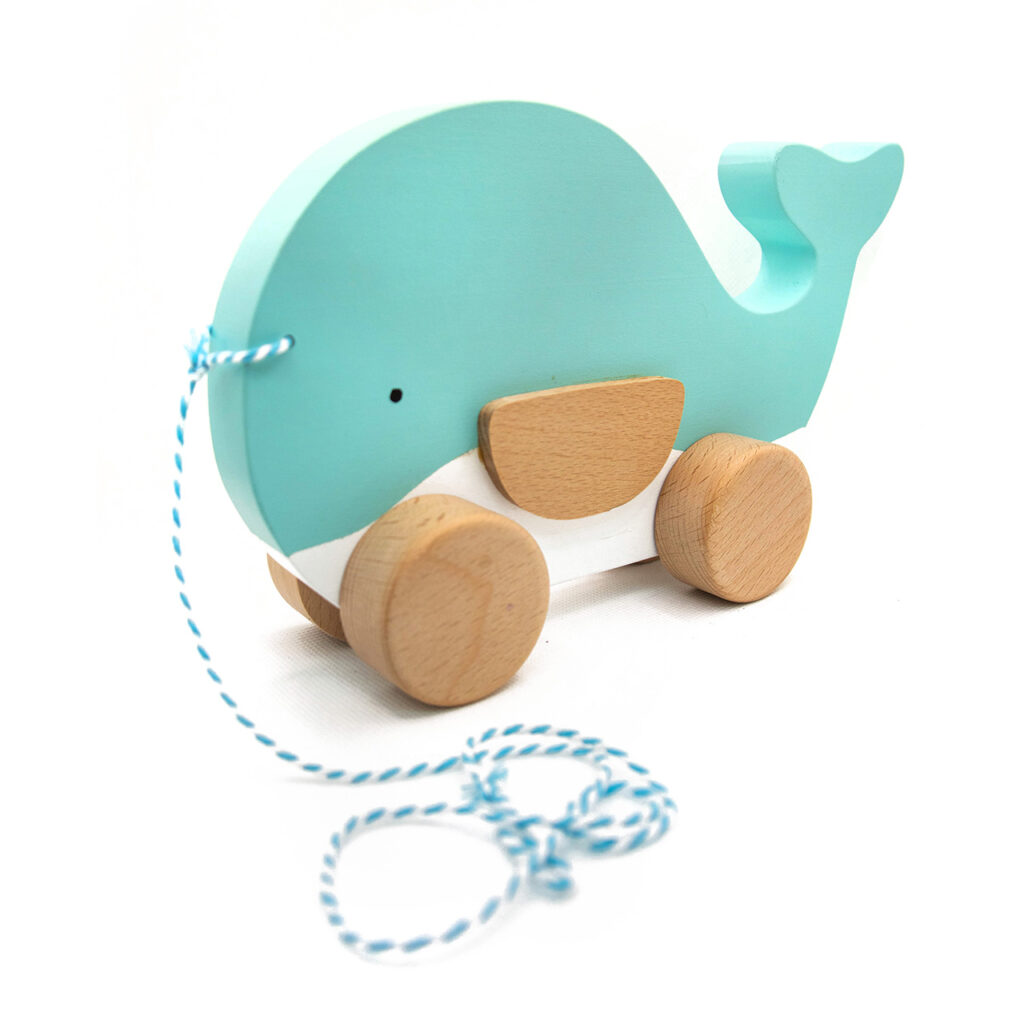
Pull along toys – Animal or character shaped toys with a string attached, allowing the child to pull the toy along as they walk, promoting gross motor skills and balance.
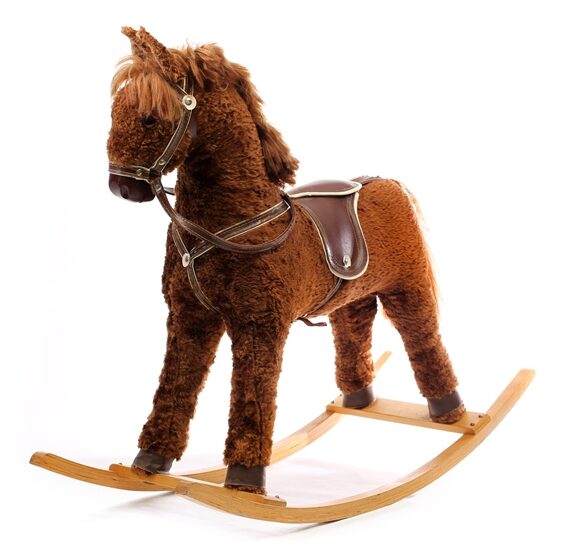
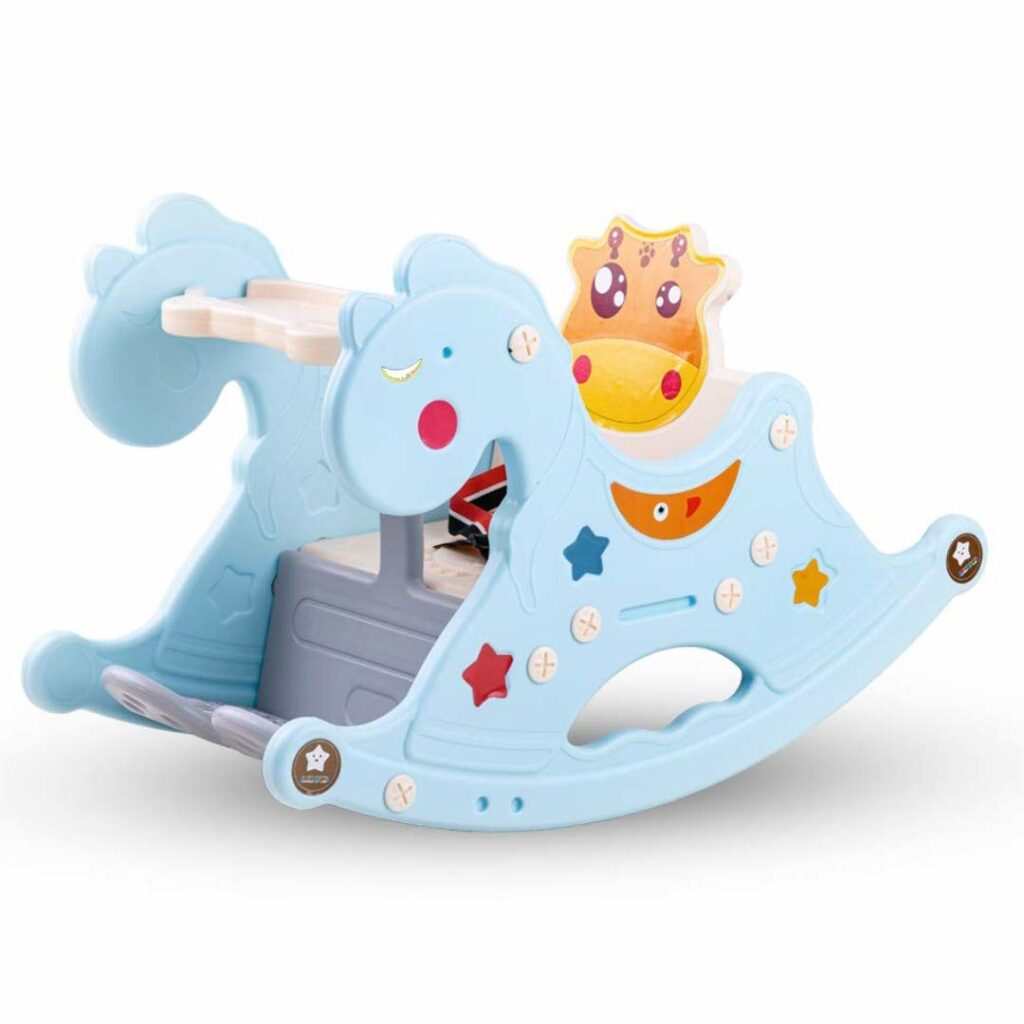
Rocking horses – Sturdy toys that rock back and forth when pushed, promoting gross motor skills and balance.
Push toys with blocks – Toys that have blocks attached that can be pushed along a track, promoting fine motor skills and problem-solving skills.
These toys are great for promoting gross motor skills, balance, and imaginative play. They are also safe and durable, making them ideal for young children.
Books for a 1 year old
For a one year old child’s birthday, some great examples of books are:
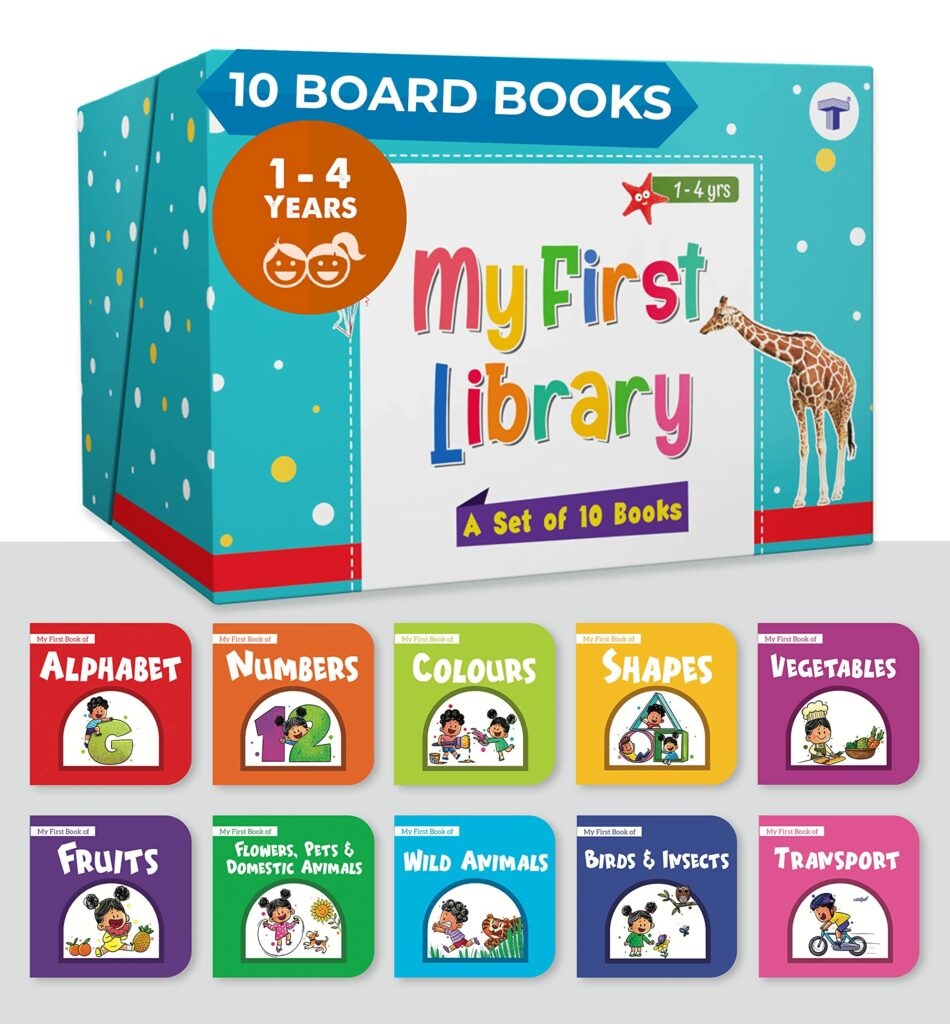
Board books – Sturdy, durable books with simple illustrations and stories, perfect for young children to explore and learn from.
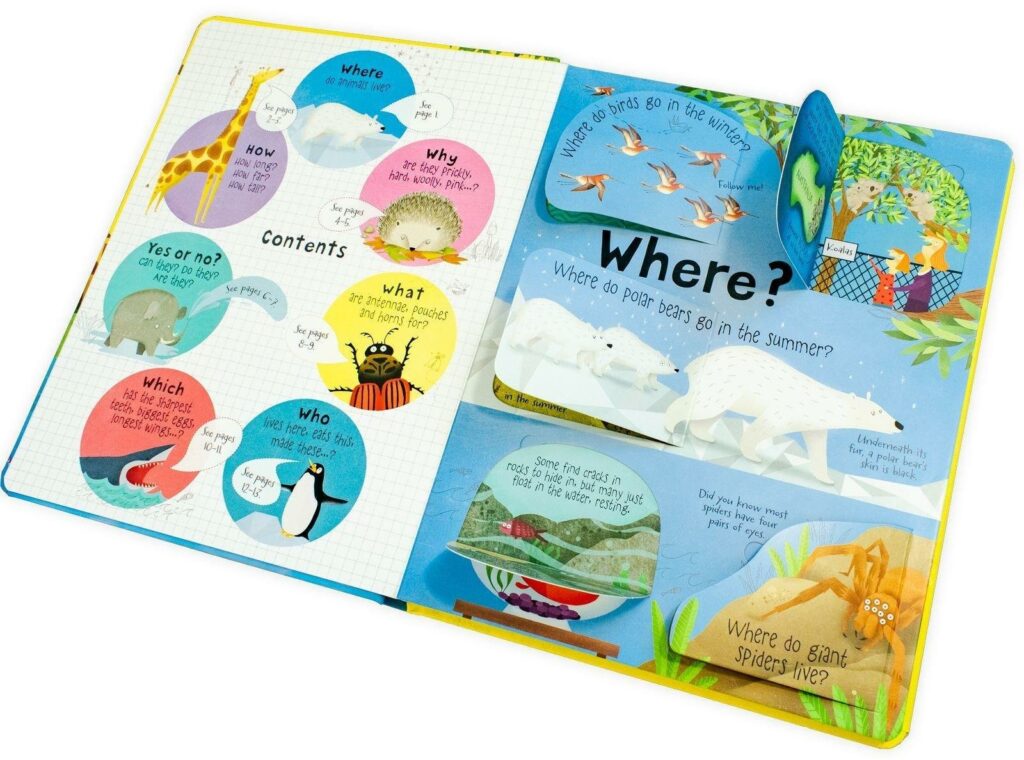
Lift-the-flap books – Books with flaps that can be lifted to reveal hidden illustrations and stories, promoting interactive learning and exploration.
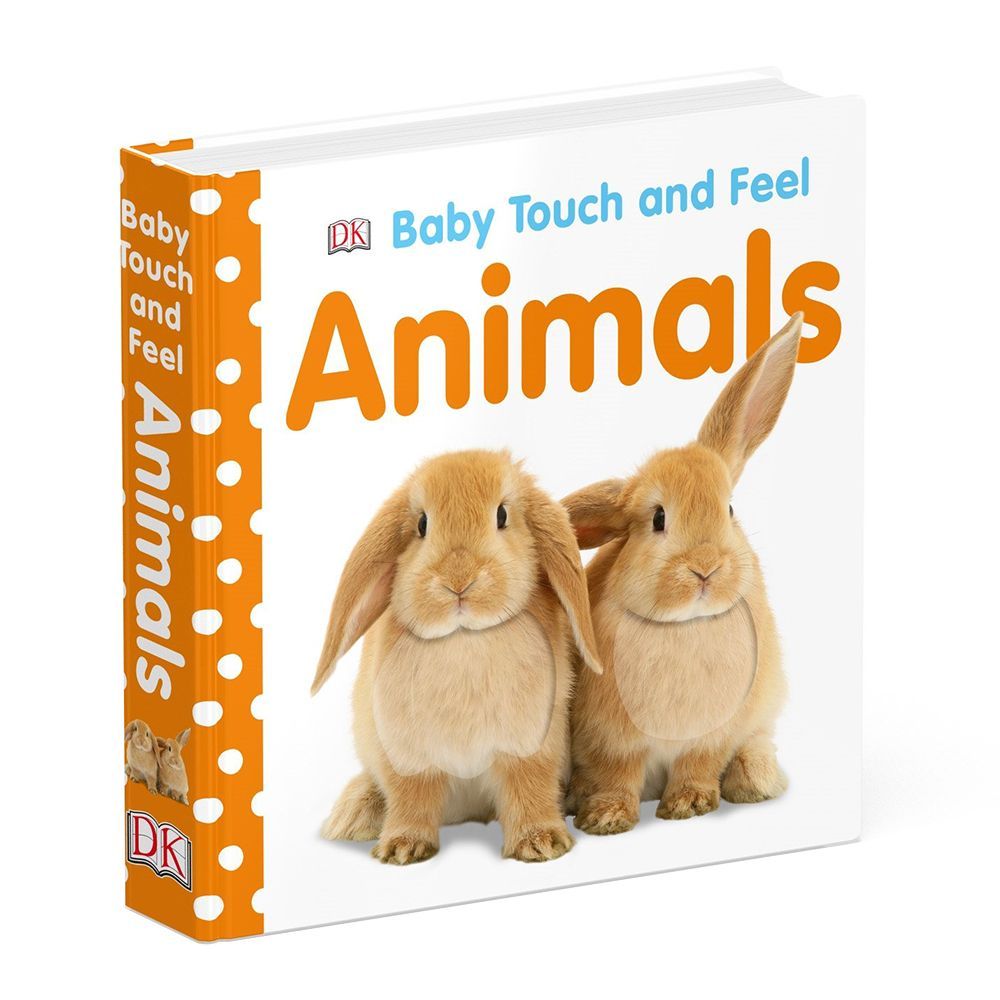
Touch-and-feel books – Books with different textures, such as fur or feathers, that the child can touch and feel, promoting sensory exploration.
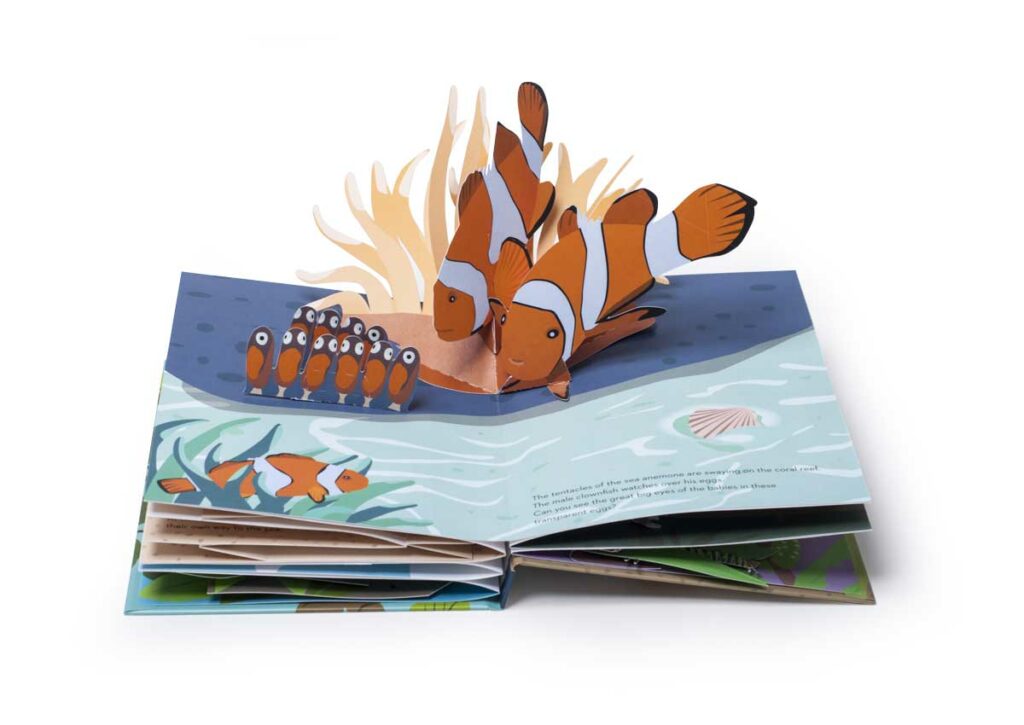
Pop-up books – Books with 3D illustrations that pop out of the pages, providing a fun, interactive learning experience.
Cloth books – Soft, fabric books with colorful illustrations and simple stories, perfect for young children to explore and learn from.
These books are great for promoting early literacy skills, as well as sensory exploration and interactive learning. They are also safe and easy for young children to handle, making them ideal for young children.
Play equipment for a 1 year old
For a one year old child’s birthday, some great examples of play equipment are:
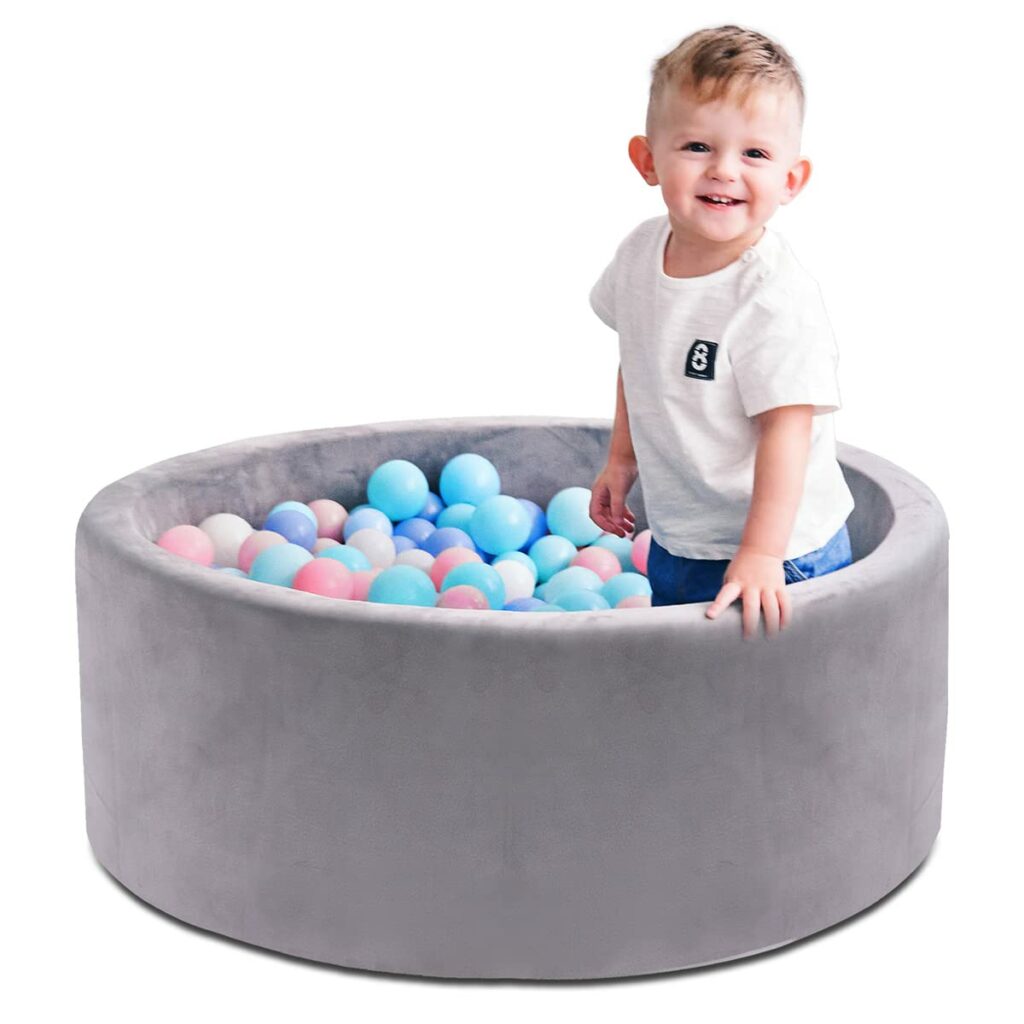
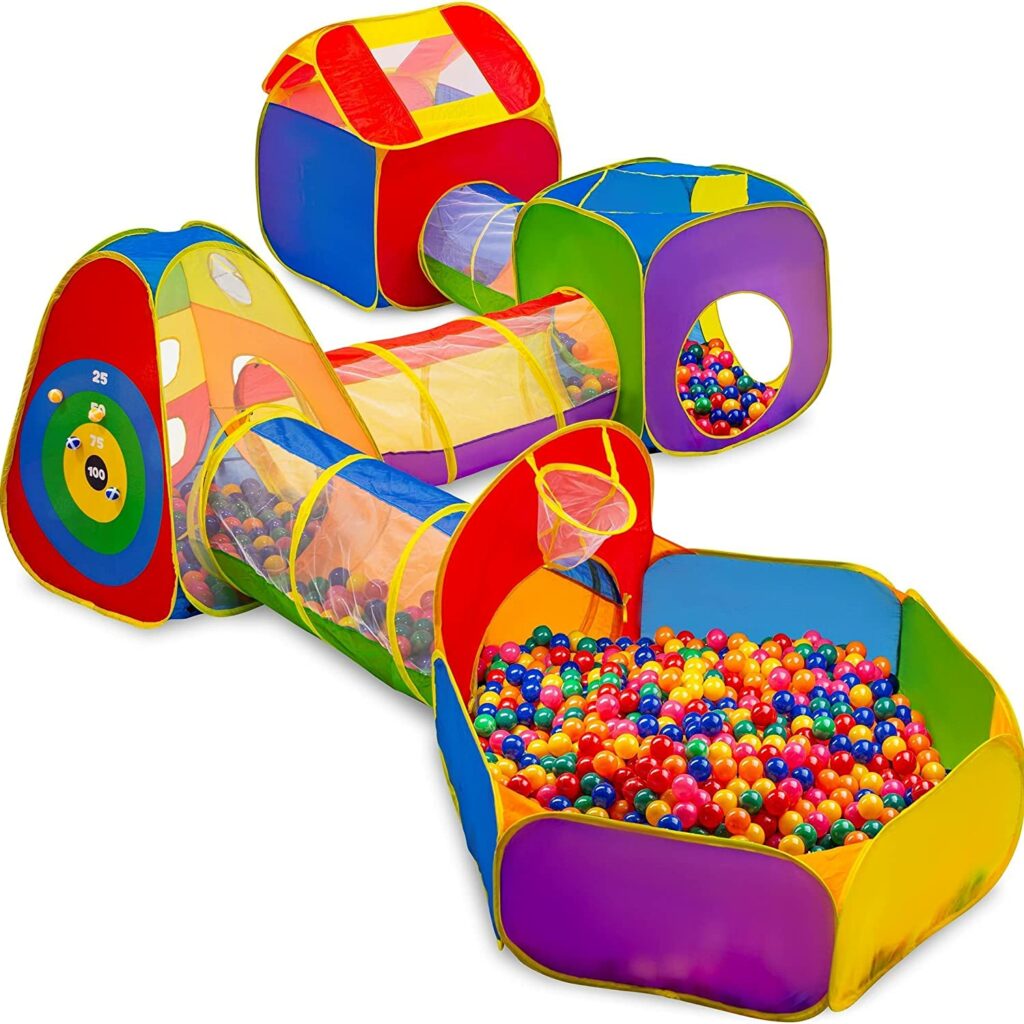
Ball pit – A shallow, plastic pool filled with soft, colorful balls that the child can play in, promoting gross motor skills and sensory exploration.
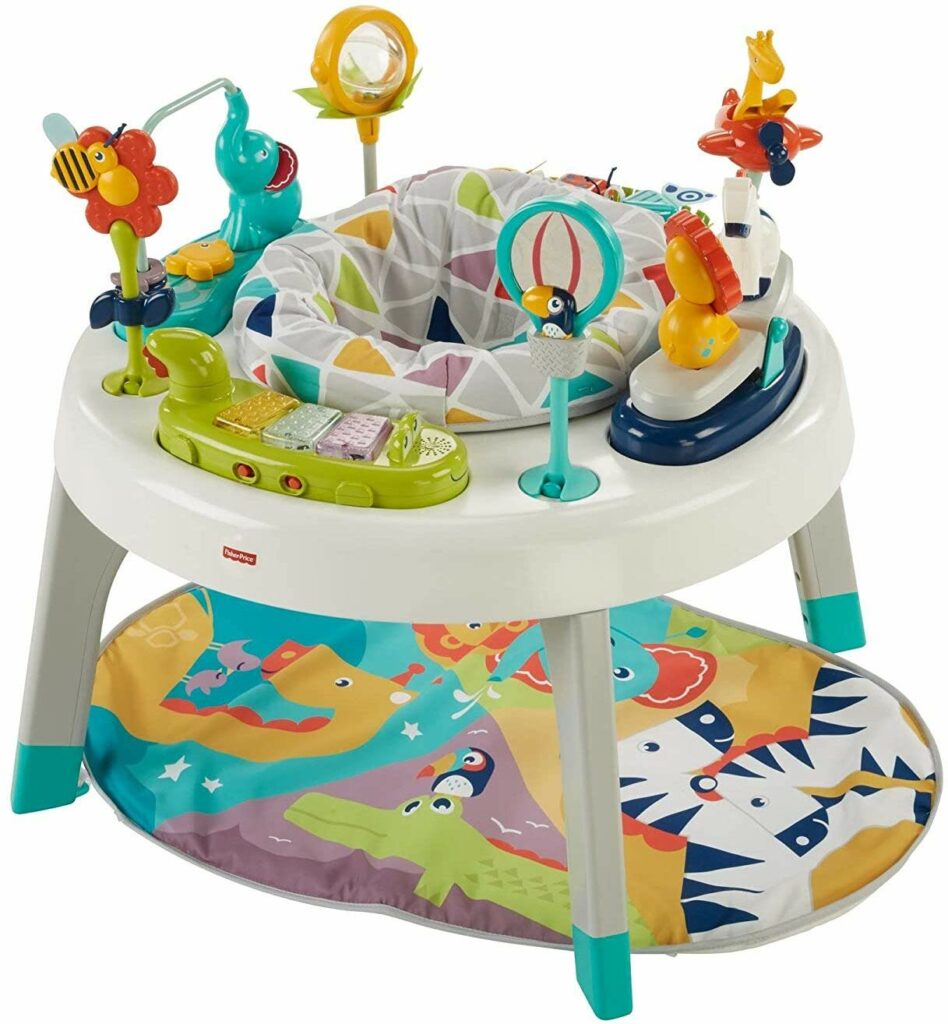
Activity center – A sturdy plastic frame with various attachments, such as slides, swings, and toys, that the child can play with and explore, promoting gross motor skills and imaginative play.
Rocking chair or horse – A chair or horse-shaped toy that rocks back and forth when the child sits in it, promoting balance and gross motor skills.
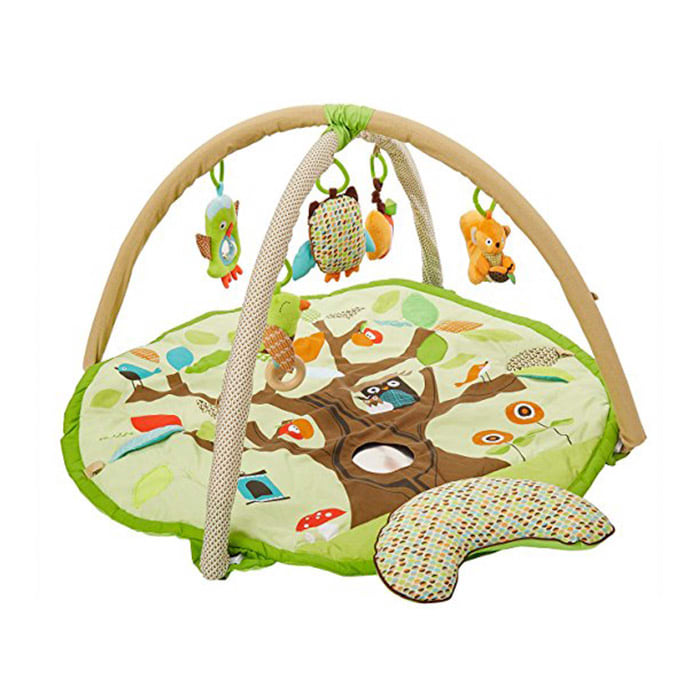
Play mat – A soft, cushioned mat with various toys attached, promoting sensory exploration and gross motor skills.
Tent or tunnel – A small, enclosed space that the child can crawl into and play in, promoting imaginative play and gross motor skills.
These play equipment items are great for promoting gross motor skills, sensory exploration, and imaginative play. They are also safe and durable, making them ideal for young children.
Outdoor toys
For a one year old child’s birthday, some great examples of street toys are:
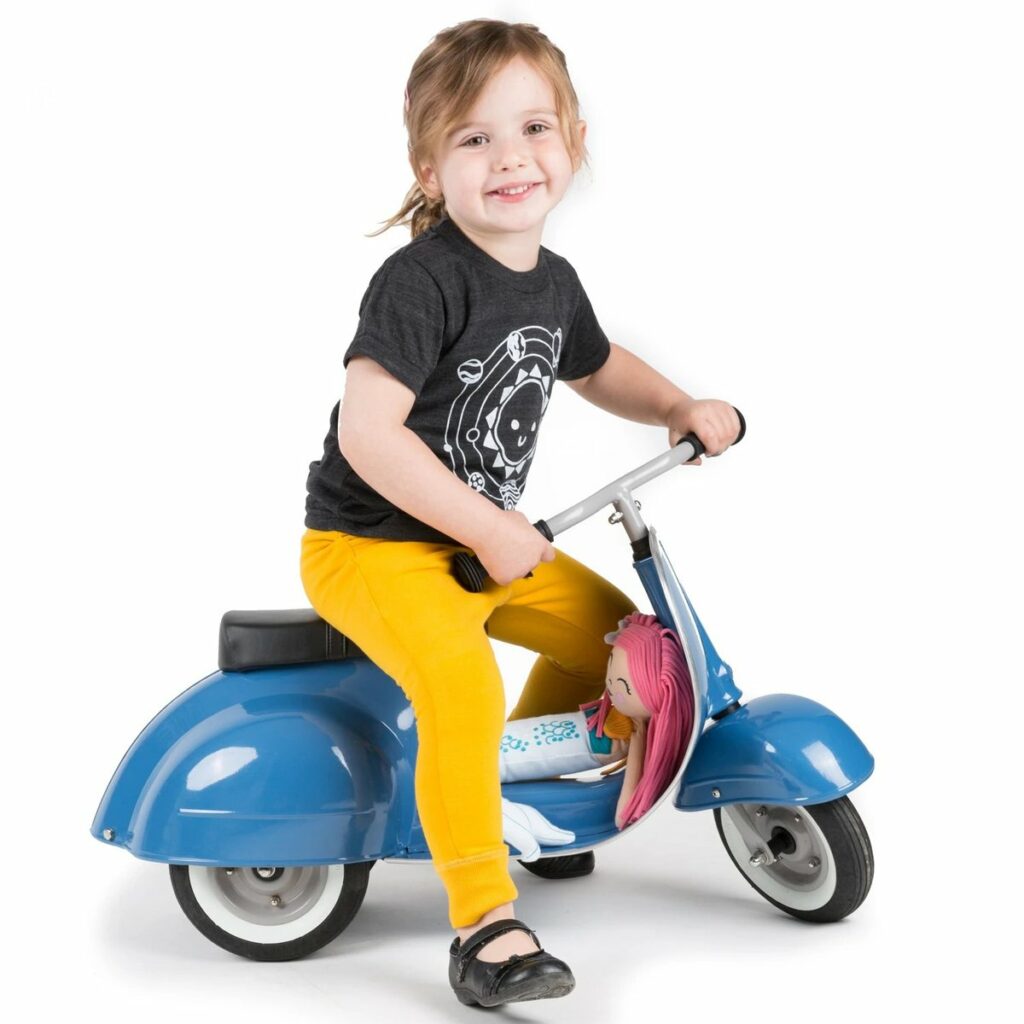
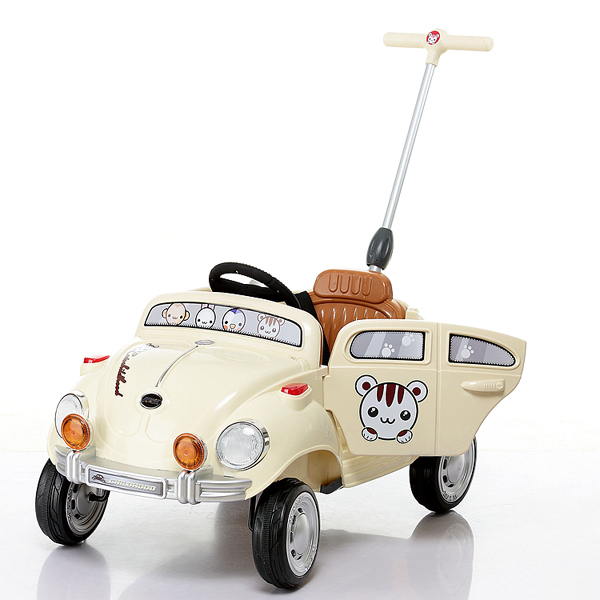
Ride-on toys – Small vehicles that the child can sit on and ride, promoting gross motor skills and balance.
Push cars – Small, plastic or metal vehicles with wheels that can be pushed along the floor, promoting fine motor skills and imaginative play.
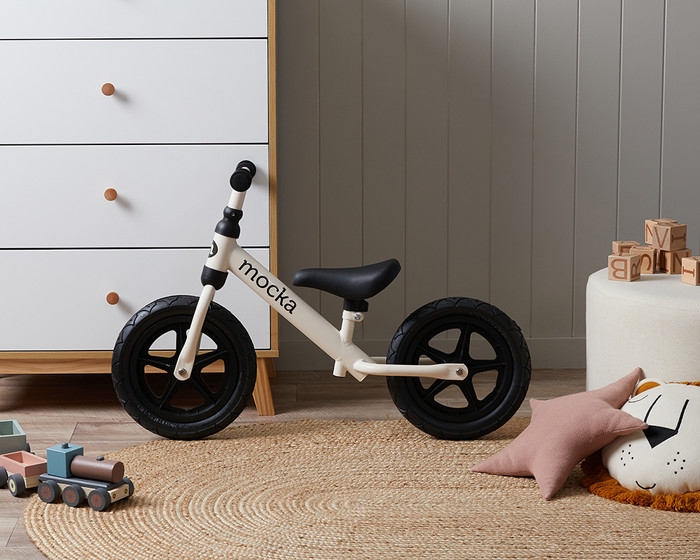
Balance bikes – Bikes without pedals that the child can use to learn balance, promoting gross motor skills and balance.
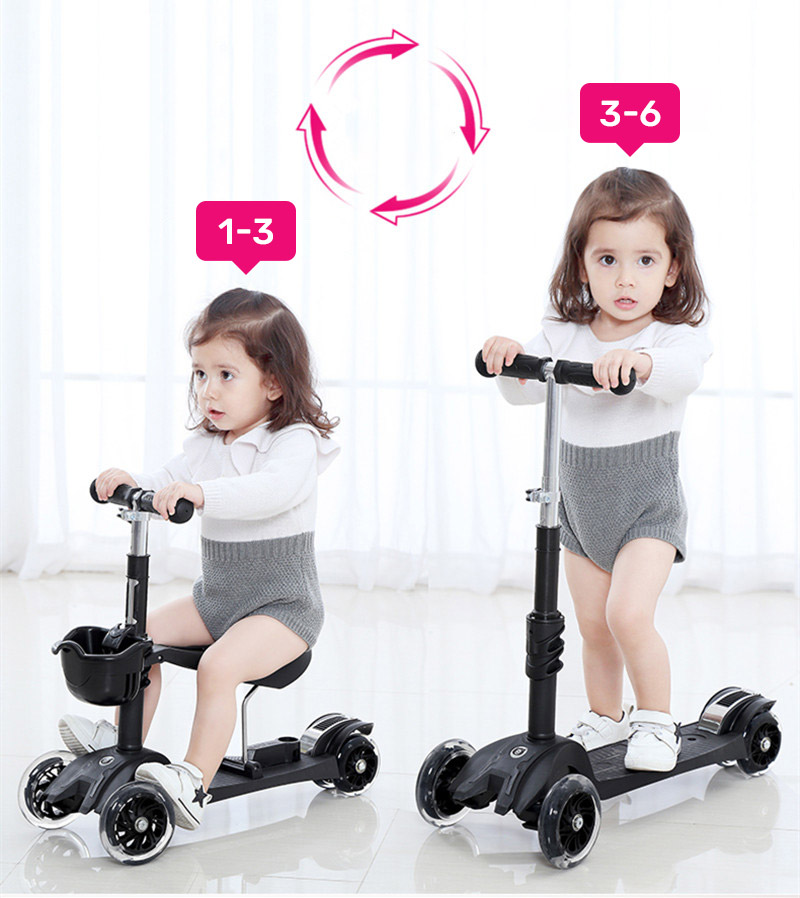
Scooters – Small scooters with three wheels that the child can ride, promoting gross motor skills and balance.
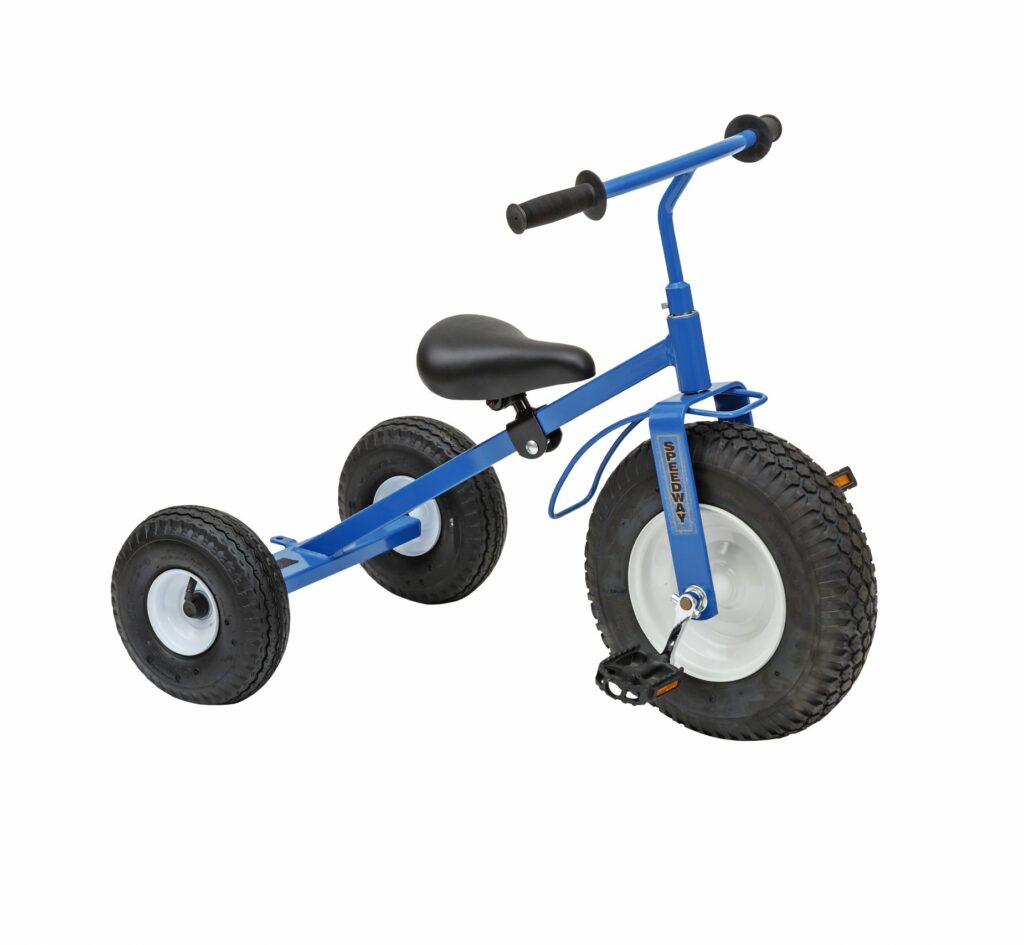
Tricycles – Three-wheeled bikes that the child can ride, promoting gross motor skills and balance.
These street toys are great for promoting gross motor skills, balance, and imaginative play. They are also safe and durable, making them ideal for young children.
We hope these tips help you create a wishlist that is perfect for your child’s birthday. By considering your child’s age, interests, and the type of toy or gift you would like, you can ensure that the gifts you receive will be both fun and educational for your child.
Tips on how to successfully organize a child’s first birthday for parents.
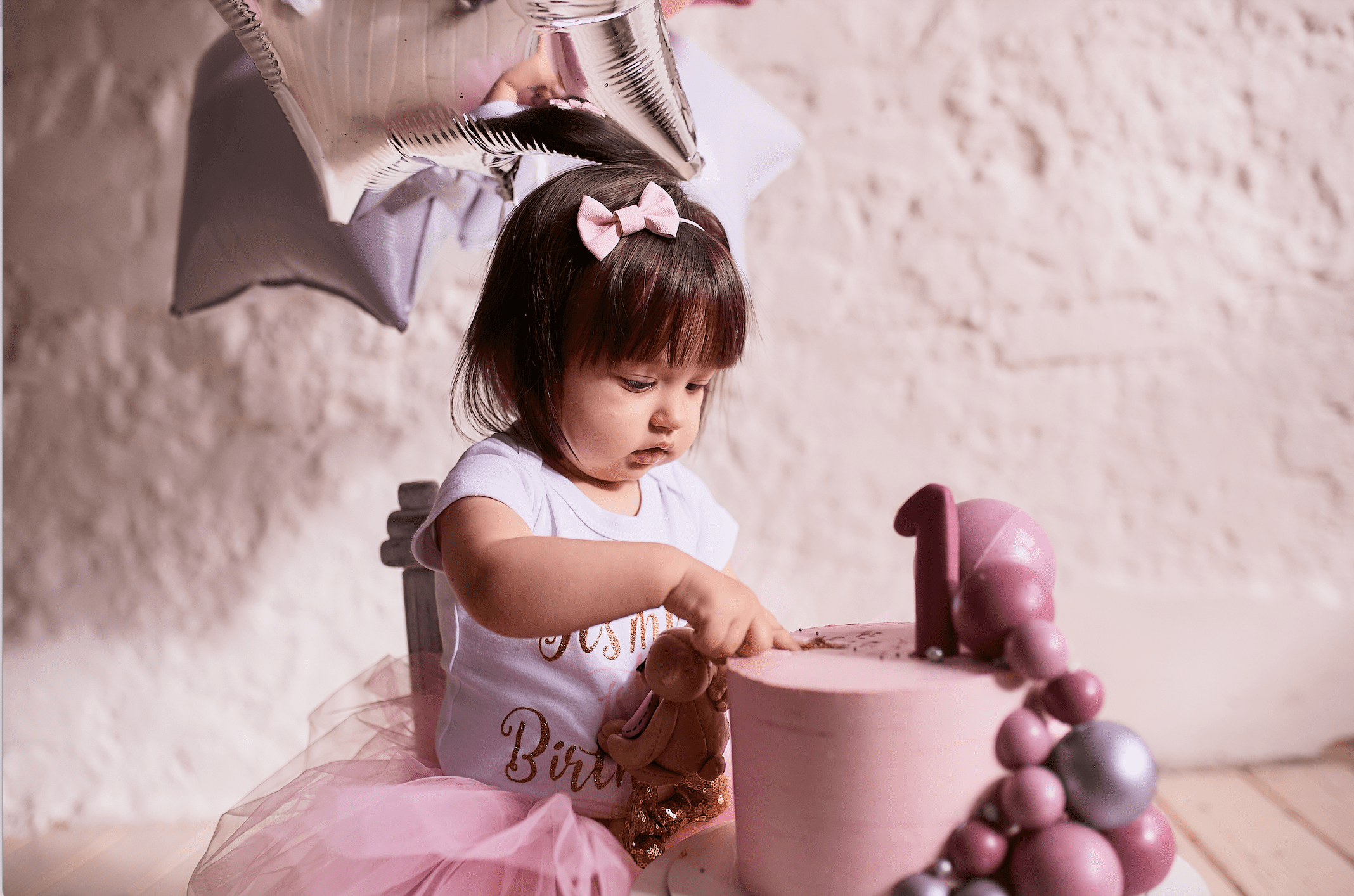
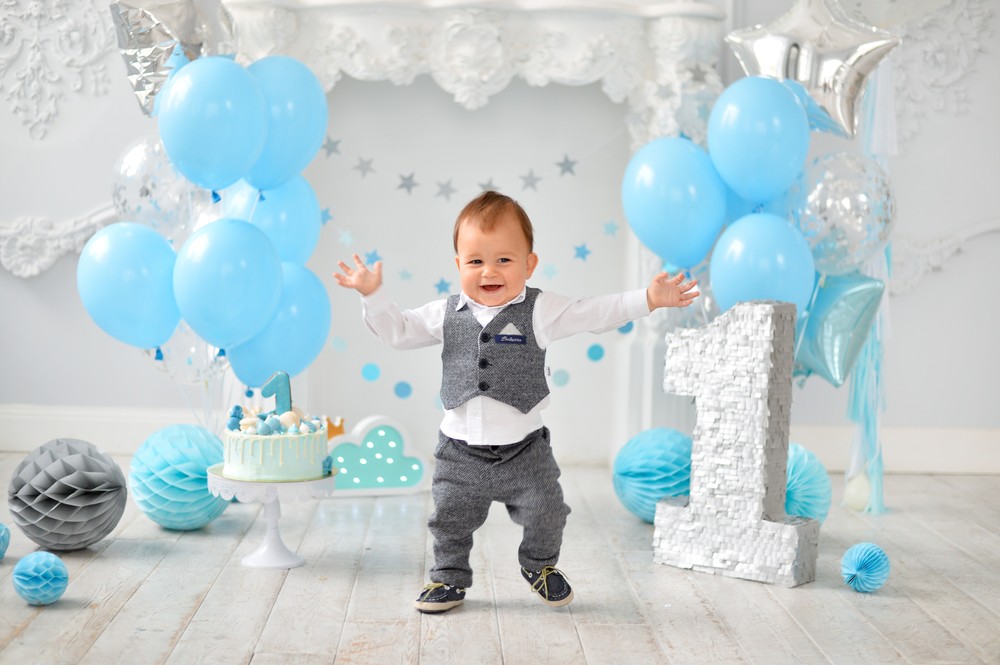
A child’s first birthday is a significant milestone for both the child and the parents. It represents the completion of the child’s first year of life, a year filled with growth, development, and new experiences. It is also a time for family and friends to come together and celebrate this special occasion.
For many parents, a child’s first birthday is seen as a reflection of their own growth as parents and a chance to celebrate their child’s personality and unique qualities. It is a time to remember the joys and challenges of the past year and to look forward to all that the future holds.
Organizing a child’s first birthday party can be a special and exciting event, as it provides an opportunity for the parents to create lasting memories for their child and to share their love and pride with friends and family. With careful planning and attention to detail, parents can create a memorable and meaningful celebration that captures the spirit of this special milestone.
Determination of the date and place of holidays
Determining the date and place of the first birthday celebration is a crucial step in organizing a memorable event. The ideal date will depend on several factors, such as the schedules of the parents, family, and friends, as well as the availability of the desired location.
When choosing the date, it’s important to keep in mind that the first birthday falls within the child’s first year of life, which is also a time when they are developing rapidly. Parents may want to consider scheduling the celebration around a time that is convenient for their child’s schedule, such as on a weekend or after nap time.
The location of the celebration is also an important consideration. Many parents choose to hold the party at their home, as it provides a familiar and comfortable setting for the child and guests. If the parents prefer, they can also choose to host the party at a local park, community center, or even a rental space.
When choosing a location, it’s important to consider the number of guests, the child’s comfort, and the availability of amenities such as restrooms, a kitchen, and seating. The chosen location should also have enough space for activities and games, as well as a safe and secure environment for the child and guests.
Once the date and location have been determined, the parents can move on to the next steps of planning and organizing the celebration, such as creating a guest list, selecting a theme, and preparing the menu. With careful planning, parents can create a fun, memorable, and meaningful first birthday celebration for their child.
Choice of holiday theme
Choosing a theme for a child’s first birthday celebration is a fun and exciting part of the planning process. A theme can help create a cohesive look and feel for the party, making it a memorable and enjoyable experience for everyone involved. When selecting a theme, it’s important to keep the following tips in mind:
Consider the child’s interests: If the child is old enough to have developed interests, consider incorporating them into the party theme. For example, if they love animals, consider a safari or zoo theme.
Keep it simple: A first birthday party is a special occasion, but it is still important to keep things simple and easy to manage. A theme that is too complex or difficult to execute can detract from the overall celebration.
Choose a timeless theme: Since the first birthday is a significant milestone, it is important to choose a theme that will not look dated in photos and videos in the future. Consider classic themes like a circus, a teddy bear picnic, or a rainbow theme.
Personalize the theme: Make the theme personal and special by incorporating elements that reflect the child’s personality, such as their favorite colors or toys.
Consider the venue: The venue for the party should also be taken into consideration when choosing a theme. Make sure the theme fits the space and is appropriate for the number of guests attending.
By keeping these tips in mind, choosing a theme for a child’s first birthday party can be a fun and easy process. The right theme can help create a memorable celebration that everyone will enjoy.
Decoration and decoration of a children’s holiday
Ordering decor for a child’s first birthday party is a crucial part of the planning process, as it helps set the tone and atmosphere for the celebration. Whether you are opting for a classic, whimsical, or themed party, choosing the right decorations can make all the difference. Here are some tips for ordering decor for a children’s party:
Start with a color scheme: Choose a color scheme that complements the theme and the venue. You can order decorations such as balloons, streamers, and tablecloths in coordinating colors.
Choose age-appropriate decorations: Make sure the decorations are age-appropriate for the child and safe for young children to be around. For a first birthday, avoid decorations with small parts that could pose a choking hazard.
Consider the venue: Consider the size and layout of the venue when ordering decorations. Make sure the decorations you choose fit the space and don’t block any important views.
Order in advance: It is important to order decorations well in advance of the party to ensure they arrive on time and in good condition. This also gives you time to make any necessary adjustments or changes to your order.
Shop online or in store: You can choose to order decorations online or in-store. Online shopping offers a wider selection and the convenience of shopping from home, while in-store shopping allows you to see and touch the products in person.
By following these tips, ordering decor for a children’s party can be a fun and stress-free experience. With the right decorations, you can create a memorable celebration that will delight the child and guests alike.
Organization of a children’s birthday program
Organizing a program for a children’s birthday party is an important part of the planning process. The program should be fun and engaging, and keep the attention of both the birthday child and the guests. Here are some tips for organizing a program for a children’s birthday party:
Consider the age of the child and guests: The age of the child and guests should be considered when organizing the program. Activities and games should be age-appropriate and engaging for the children attending the party.
Plan for breaks: Children have short attention spans, so it’s important to include breaks in the program to give them time to rest and recharge.
Incorporate games and activities: Games and activities are a great way to keep children entertained and engaged. Consider having a treasure hunt, a sing-along, or a dance party, depending on the interests of the children.
Hire entertainers: If you want to make the party extra special, consider hiring professional entertainers such as magicians, face painters, or balloon artists. These entertainers can add an extra element of fun to the party.
Don’t forget the cake: The birthday cake is a staple of any children’s birthday party, so be sure to include this in the program. Consider having a special moment where everyone sings “Happy Birthday” to the birthday child.
By following these tips, you can organize a fun and engaging program for a children’s birthday party that will delight the birthday child and guests. Whether you choose to have games, activities, entertainers, or a combination of all three, a well-organized program will make the party a memorable experience for everyone involved.
Selection and preparation of food and drinks for a children’s party
Choosing and preparing food and drinks for a children’s birthday party is an important aspect of the planning process. The food and drinks should be appealing to both the children and adults in attendance, while also being safe and age-appropriate for the young guests. Here are some tips for choosing and preparing food and drinks for a children’s birthday party:
Consider the age of the guests: The age of the guests should be taken into consideration when choosing food and drinks. For a first birthday party, it’s best to offer age-appropriate options such as pureed fruits and vegetables, crackers, and formula or breast milk for the birthday child.
Opt for healthy options: While it may be tempting to serve sugary treats and junk food, it’s important to offer healthier options as well. Consider serving fresh fruits, vegetables, and whole grain snacks.
Plan for special dietary needs: Some guests may have special dietary needs, such as allergies or food sensitivities. Be sure to offer options for guests with these needs, or provide a separate area for them to store their own food and drinks.
Choose easy-to-serve options: When preparing food and drinks, it’s important to choose options that are easy to serve and clean up. Consider finger foods, fruit skewers, and mini sandwiches, which are easy to eat and less messy.
Don’t forget drinks: Offer a variety of drinks, such as water, juice, and milk, to keep guests hydrated. Avoid serving sugary drinks like soda, as they can contribute to hyperactivity and sugar crashes.
By following these tips, you can choose and prepare food and drinks for a children’s birthday party that are safe, healthy, and enjoyable for everyone in attendance. Whether you opt for simple snacks or a full meal, the right food and drinks can help make the party a memorable and enjoyable experience.
Birthday games for kids
Here is a list of games for 1-year-old children and their parents to enjoy together:
Peek-a-Boo: This classic game is a hit with babies and is great for helping them build trust and emotional connections with their parents.
Balloon Pop: Blow up a few balloons and let the baby try to pop them by hitting them with their hands or feet.
Sensory Bin Play: Fill a shallow bin with different textures, such as rice, beans, or sand, and let the baby explore the different sensations.
Musical Instruments: Provide the baby with simple instruments, such as maracas or drums, and let them experiment with making music.
Book Reading: Reading to the baby is a great way to introduce them to new concepts and encourage language development.
Crawl Through Tunnel: Set up a tunnel for the baby to crawl through, and encourage them to explore and play.
Sensory Bottle Play: Fill a clear bottle with different items, such as glitter or beads, and let the baby shake it to watch the items move.
Remember to keep the games simple and allow the baby to lead the play. Most importantly, have fun and enjoy this special time with your child!
Parents may create a wishlist for their child’s first birthday gifts for several reasons:
Ease of Shopping: A wishlist makes it easier for friends and family members to choose gifts that the parents and child will enjoy, as well as ensuring that the gifts are age-appropriate.
Avoid Duplication: Having a wishlist helps to prevent duplicates and allows friends and family to choose from a variety of items that the child will appreciate.
Budgeting: Creating a wishlist helps the parents to stick to their budget and ensures that they receive items that are useful and within their budget.
Organisation: A wishlist helps the parents to keep track of what items they have received, and what items they still need, making it easier for them to manage their inventory.
Consideration of Space: A wishlist helps the parents to consider the amount of space they have in their home and make sure they are not overwhelmed with too many gifts.
A good app for creating such a wishlist would be Listery. In it you can always create a list of gifts that friends can bring to celebrate your child’s first birthday. The app is available on the App Store and Play Market for free. Sign up and share your gift list now! Ideas that you can add to your child’s birthday wishlist, we reviewed in this article.
Conclusions and recommendations for organizing the celebration of the first birthday of a child
In conclusion, organizing a child’s first birthday is a special event that requires careful planning and consideration. It’s important to consider the venue, food, decorations, and activities that will be suitable for both the child and the guests.
When it comes to activities, it’s best to keep it simple and choose games that are age-appropriate and engaging for both the child and the guests. Providing entertainment options like a balloon artist or a face painter can be a great way to add excitement to the party.
When it comes to food, consider the dietary restrictions of the guests and make sure there are options for everyone. Keeping a variety of snacks and drinks on hand is also important to ensure that everyone stays hydrated and satisfied.
Finally, make sure to take plenty of pictures to capture the special moments and memories of the day.
In terms of recommendations, it’s always helpful to start planning the event early to avoid stress and ensure that everything is in order. Don’t be afraid to ask for help from friends and family members, as it can be a great way to lighten the load and make the event more enjoyable for everyone.
In the end, the most important thing is to have fun and enjoy the special occasion with your child, family, and friends. Remember to focus on making the event a celebration of your child’s first year of life, rather than making it an elaborate production.
Organization of a wedding–tips and tricks for organizing the most long-awaited holiday in the life of a man and a woman.
Wedding planning can be a wonderful but overwhelming experience. With so many details to consider, it’s important to keep your focus on what’s truly important. From choosing the right venue and vendors to setting a budget and making a guest list, there are many factors to take into account. To help you stay on track and ensure your special day is everything you’ve dreamed of, we’ve compiled a list of key things to keep in mind when planning your wedding.
Importance of creating a guest list
Guest list creation is one of the most crucial and often overlooked steps in wedding planning. Not only does it impact your budget and venue selection, but it also determines the overall atmosphere and dynamic of your big day. It’s important to carefully consider who you want to invite and prioritize your must-have guests to ensure a balanced and memorable celebration. In this section, we’ll delve into the importance of creating a guest list and provide tips on how to approach this task effectively.
When it comes to creating your wedding guest list, there are a few key things to keep in mind to ensure the process is efficient and stress-free. Here are some tips to help you along the way:
Set a budget: Your budget will play a big role in determining the size of your guest list, so it’s important to set a clear budget and stick to it.
Prioritize: Make a list of must-have guests and prioritize them based on your relationship and significance to each individual.
Communicate with your partner: Discuss your guest list with your partner and come to a mutual agreement on who should be invited.
Consider logistics: Consider the logistics of inviting guests, such as travel and accommodations, and adjust your list accordingly.
Be considerate: Avoid hurt feelings by being considerate of family and friends who may have to travel long distances or have other commitments.
Finalize the list: Finalize your guest list several months before the wedding to allow enough time for RSVPs and other details.
By following these tips, you can create a guest list that accurately reflects your priorities and helps ensure your wedding day is a memorable celebration with the people you love most.
Factors to consider when choosing a venue
Choosing the right wedding venue is a crucial part of wedding planning and can have a big impact on the overall success of your big day. When selecting a venue, there are several key factors to consider, including:
Budget: Consider the cost of the venue, including rental fees and any additional expenses such as catering or decorations.
Capacity: Ensure that the venue has enough space to comfortably accommodate all of your guests.
Location: Consider the location of the venue and its proximity to your guests.
Theme: Make sure the venue fits with the overall theme and aesthetic of your wedding.
Availability: Make sure the venue is available on your desired wedding date.
To help ensure you select the right venue, consider these tips:
Start your search early: Give yourself plenty of time to find the perfect venue and secure a date.
Visit multiple venues: Visit several venues to get a better sense of each one and compare options.
Consider the weather: If you’re planning an outdoor wedding, consider the likelihood of inclement weather and have a backup plan in place.
Ask questions: Make a list of questions to ask venue representatives to ensure you have all the information you need to make an informed decision.
By taking these factors into account and following these tips, you’ll be able to choose a wedding venue that meets all of your needs and helps ensure your big day is a success.
Popular wedding venues
When it comes to choosing a wedding venue, the options can seem endless. Some popular wedding venues include:
Banquet halls: These traditional venues offer large spaces for both the ceremony and reception, making them a popular choice for many couples.
Outdoor locations: Outdoor venues such as gardens, beaches, and parks provide a beautiful natural backdrop for your wedding.
Historic venues: Historical buildings and museums offer a unique and elegant setting for your wedding.
Hotels: Hotels often have a variety of spaces available for weddings, including ballrooms and outdoor terraces.
Wineries: Wineries provide a romantic and picturesque setting for a wine-themed wedding.
Barns: Rustic barns and farmhouses are becoming increasingly popular for their charming and cozy atmosphere.
Country clubs: Country clubs offer a classic and sophisticated setting, complete with well-manicured grounds and elegant dining rooms.
No matter which type of venue you choose, it’s important to remember that the most important aspect is finding a space that feels like a perfect fit for you and your partner. By considering the different options and what each venue has to offer, you’ll be able to select the perfect location for your special day.
Importance of choosing the right menu and catering
When planning a wedding, catering and menu planning should also be taken into consideration. Here are a few tips to keep in mind:
Consider the guest list and their dietary restrictions/preferences.
Decide on a serving style (e.g. sit-down dinner, buffet, food stations).
Budget for catering, including taxes and gratuity.
Taste test menu options before making a final decision.
Choose a reputable and experienced caterer with good references.
Have a backup plan in case of inclement weather or other unforeseen circumstances.
Choosing catering for your wedding can be a big decision. Here are a few steps to help you choose the right caterer:
Determine your budget and desired menu options.
Research caterers in your area and read reviews from past clients.
Schedule tasting appointments with your top choices.
Ask for references and follow up with them.
Check the caterer’s experience and specialties to ensure they match your vision.
Review the contract carefully, including details such as service fees and rental equipment.
Make sure the caterer is licensed and insured.
Confirm the caterer’s availability for your wedding date.
Tips for staying within budget
When planning a wedding, it’s important to stay within your budget. Here are some tips for keeping costs under control:
Prioritize: Make a list of must-haves and nice-to-haves, and allocate your budget accordingly.
Be flexible: Be open to alternative venues, menu options, and other creative solutions that can save you money.
Shop around: Get multiple quotes for each vendor and compare prices to find the best value for your budget.
Negotiate: Don’t be afraid to negotiate with vendors on price, services, and other terms.
Get help: Consider hiring a wedding planner or using wedding planning tools and websites to help you stay on track.
Trim guest list: Reducing the number of guests can have a big impact on your budget.
Avoid peak season: Wedding costs tend to be higher during peak season, so consider getting married off-season.
By keeping these tips in mind, you can have a beautiful wedding without breaking the bank.
Wedding Decor: Ideas for a Beautiful Celebration
Wedding decor plays a big role in creating the ambiance for your big day. Whether you’re going for a romantic, classic, or modern feel, there are many options to choose from. Here are some ideas to help you create a beautiful wedding decor:
Incorporate flowers: Fresh flowers can add a touch of nature to your venue. Consider incorporating them into your centerpieces, bouquets, and other decor elements.
Use lighting: Strategic lighting can transform a space and create a mood. Consider using fairy lights, lanterns, and candlelight to create a warm and intimate atmosphere.
Choose a color scheme: A consistent color palette can bring a cohesive look to your decor. Consider incorporating your chosen colors into your floral arrangements, linens, and other decor elements.
Personalize your space: Incorporate personal touches, such as photos or mementos, to make your wedding decor unique to you and your partner.
Create focal points: Draw the eye to specific areas of the room with statement pieces, such as a large floral arrangement or a custom-made photo wall.
By considering these ideas, you can create a beautiful and memorable wedding decor that truly represents your style and personalities as a couple.
The importance of a cohesive theme
When planning a wedding, it is crucial to have a cohesive theme that ties all elements of the celebration together. A well-defined theme not only creates a visually appealing atmosphere, but also helps to set the tone and mood for the entire event. Whether you opt for a classic, romantic, or modern theme, it should be reflected in all aspects of the wedding, from the invitation design to the floral arrangements and table settings.
Having a cohesive theme also makes it easier to make decisions about the details of the wedding. For example, choosing a color palette that complements the theme can guide you in selecting the bridesmaid dresses, groomsmen attire, and decor. A consistent theme also helps to ensure that the wedding has a professional, polished look and feel.
In conclusion, having a cohesive theme is an important aspect of wedding planning that should not be overlooked. By incorporating a consistent theme into all elements of the celebration, you can create a memorable, stylish, and well-coordinated event that reflects your personal taste and style.
Choosing the right music and entertainment for the wedding
Music and entertainment can make or break a wedding celebration, so it’s important to choose wisely. Here are a few key factors to consider:
Theme: Does the music and entertainment fit the overall theme and style of the wedding?
Guests: What are the musical tastes of your guests? Try to find a balance between what you like and what will get them on the dance floor.
Budget: How much can you afford to spend on music and entertainment? Consider hiring a DJ or live band, booking a photo booth, or renting equipment for games and activities.
Logistics: What equipment do you need to accommodate the entertainment and how will it be set up? Make sure to factor in the location, space, and timing of the events.
Remember to communicate your expectations and preferences clearly with your chosen entertainment providers. Take time to review their portfolios and check references before making a final decision. With careful consideration and planning, you can ensure that your wedding music and entertainment will be a hit with everyone.
Most Popular Wedding Tracks
A selection of songs for the wedding
Music is an integral part of any wedding celebration, and choosing the right songs can set the tone and create an unforgettable experience. Here is a list of some of the most popular wedding songs to consider:
For live music performances, consider hiring a wedding band or solo musician. They can personalize the music selection to fit your preferences and the style of your wedding. If you are hiring a DJ, make sure to provide a list of must-play songs and any specific requests you have. With a combination of popular hits and meaningful personal touches, you can create a soundtrack that reflects your love story and makes your wedding day unforgettable.
Importance of capturing memories of the special day
Wedding photography and videography capture the memories of your special day and allow you to relive the emotions and moments for years to come. Here are a few reasons why professional photography and videography are worth considering:
Quality: Professional photographers and videographers have the skills and equipment necessary to produce high-quality images and videos.
Storytelling: A good photographer or videographer will not only capture the key moments, but also tell the story of your day through their images and videos.
Lasting Memories: With photos and videos, you will have a permanent record of your wedding day that you can share with family and friends, and look back on in the future.
Documentary: Photography and videography can provide a document of your wedding that can be used to recall important details and moments.
When choosing a photographer or videographer, consider their style, portfolio, and reviews. Set aside a realistic budget for this service, and discuss your expectations and requirements in advance. With professional photography and videography, you can ensure that your wedding memories will be captured in the best possible way.
Create a Wishlist for your guests
Creating a gift wishlist for newlyweds is an important aspect of wedding planning that often gets overlooked. A gift wishlist helps guests understand the couple’s preferences and ensures that they receive gifts that they truly love and can use. Here are some benefits of having a gift wishlist for your wedding guests:
Avoids Duplication: A gift wishlist eliminates the risk of guests buying duplicate gifts, saving them time and money.
Saves Time: Guests don’t have to spend time and effort searching for the perfect gift, as the couple’s preferences are clearly stated on the wishlist.
Increases Satisfaction: When guests give a gift that is on the couple’s wishlist, they can be confident that it will be appreciated and used, leading to increased satisfaction for both the giver and the receiver.
Helps with Budgeting: A gift wishlist can also help guests stick to a budget, as they can choose a gift that fits their budget from the options provided.
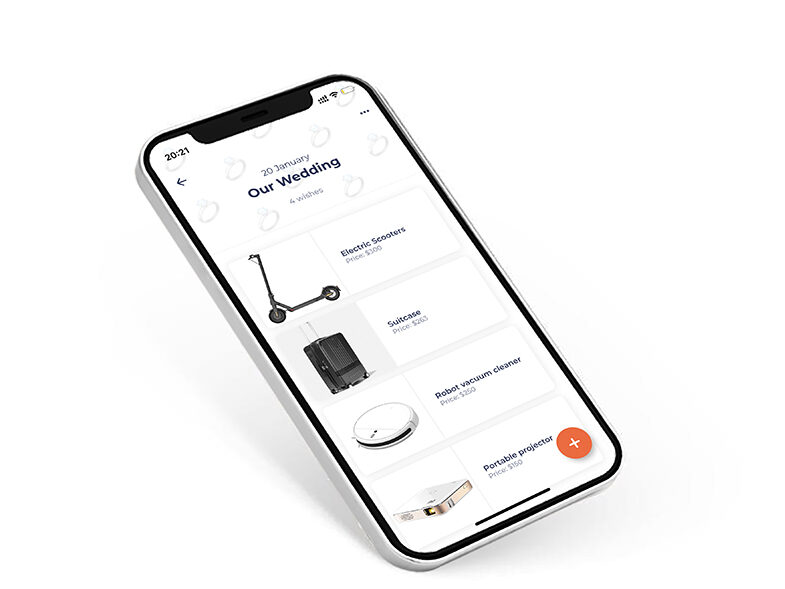
It is important to choose a good way to create a wish list. These can be various online services, for example, mobile applications. Wishlist Listery mobile app allows you to create a convenient wishlist of wedding gifts and send it to all your guests.
Listery App is available for free download on the app store and play market. Just create a new event “Our wedding”, add everything you want there and send it to the guests. Friends don’t have to download the app to view your list.
Let’s recap
Wedding planning can be overwhelming, but it’s important to remember to prioritize the most important aspects of your big day and to enjoy the process. Here are some tips to help you stay focused and have fun while planning your wedding:
Set priorities: Determine what is most important to you and your partner and make sure those elements are at the top of your to-do list.
Delegate tasks: Share the workload with your partner, family, and friends. This can help you feel less stressed and more in control.
Take breaks: Wedding planning can be all-consuming, so it’s important to take breaks and focus on other aspects of your life. This can help you recharge and return to planning with renewed energy.
Focus on the big picture: It’s easy to get caught up in the details, but remember the reason behind it all – celebrating your love and commitment to each other. Keep this in mind and let it guide your planning process.
Enjoy the process: Planning a wedding can be stressful
Organization of a birthday: recommendations and tips for organizing a successful holiday for an adult.
Birthday is one of the most important and significant events in the life of every person. It should be unforgettable and pleasant, inspiring for further achievements. This is especially important for adults, when life becomes more serious and there are fewer opportunities for entertainment.
The aim of this article is to provide a guide on how to organize a birthday party for an adult. The article will cover different aspects of party planning, such as choosing a venue, organizing food and drinks, selecting entertainment and music, decorating the space, and giving gifts. By following these tips, you can create an unforgettable celebration for your friend or loved one and make their birthday truly special.
#1 Determining the Target Audience and Budget
The first step in planning a birthday party is to determine the target audience and set a budget. Consider the preferences and interests of the birthday person and their guests. Are they more introverted or extroverted? Do they prefer a quiet, intimate gathering or a big, lively celebration? Knowing your audience will help you choose a venue and plan activities that will be enjoyable for everyone.
When it comes to setting a budget, it is important to be realistic about what you can afford. Take into account all the expenses, such as venue rental, food and drinks, decorations, entertainment, and gifts. Determine a realistic amount that you can spend and stick to it. If necessary, consider ways to cut costs, such as opting for a potluck dinner or hiring a DJ instead of a live band. Remember, the most important thing is to celebrate the birthday person and create lasting memories, not to spend a lot of money.
#2 Choosing the Venue: Home or Off-Site?
When it comes to choosing a venue for a birthday party, you have two options: hosting it at home or opting for an off-site location. Both options have their own advantages and disadvantages. Hosting a birthday party at home is a more intimate and budget-friendly option. You can personalize the space and decorate it according to your taste, and guests will feel more relaxed in a familiar environment. However, hosting a large party at home can be challenging, as it requires a lot of preparation and cleaning.
On the other hand, hosting the party at an off-site location, such as a restaurant, event space, or park, can be more convenient and stress-free. It also allows for a wider variety of entertainment options, such as live music or a dance floor. However, this option can be more expensive and less personal. When choosing a venue, consider the size of the guest list, the desired atmosphere, and the budget. Whichever option you choose, make sure it is a comfortable and memorable space for the birthday person and their guests.
#3 Organizing the Menu and Wine Selection
Food and drinks play a major role in any birthday celebration. When planning the menu, consider the preferences of the birthday person and their guests, as well as any dietary restrictions. You can opt for a sit-down dinner, a buffet, or a variety of hors d’oeuvres.
If you are hosting the party at an off-site location, you may be able to choose from a pre-set menu or work with the venue’s catering service to create a custom menu. If you are hosting the party at home, you can prepare the food yourself or hire a caterer.
When it comes to wine selection, consider the occasion and the menu. Offer a variety of options, including red, white, and sparkling wines, and consider the wine pairing with each dish. If you are unsure about the wine selection, consider consulting with a sommelier or wine expert.
Remember, the goal is to provide a delicious and enjoyable dining experience for the birthday person and their guests. Take the time to carefully plan the menu and wine selection to ensure that everyone’s tastes are satisfied.
#4 Entertainment and Musical Accompaniment
Entertainment is an important aspect of any birthday celebration. It helps to keep guests engaged and provides a fun atmosphere. Consider the interests of the birthday person and their guests when choosing entertainment options. Some ideas could include:
Live music: hire a band or a DJ to provide musical entertainment
Games and activities: organize games or activities that the guests can participate in
Karaoke: set up a karaoke system for guests to sing and have fun
Photo booth: create a photo booth for guests to take pictures and capture memories
When it comes to musical accompaniment, consider the theme and atmosphere of the birthday party. Choose music that appeals to the birthday person and their guests and create a playlist that will keep the party going. If you have a specific theme in mind, such as a specific decade or genre, choose music that fits that theme.
#5 Decor and Gifts
The decoration and presentation of the venue play an important role in setting the mood for the birthday party. Consider the theme of the party and choose decorations that fit with that theme. Some decoration ideas could include:
Balloons: use balloons in the birthday person’s favorite colors
Table centerpieces: create eye-catching centerpieces for the tables
Lights: use fairy lights or other lighting effects to create a warm and inviting atmosphere
Flowers: use flowers to add a touch of elegance and beauty to the venue
When it comes to gifts, consider the preferences and interests of the birthday person. You can also ask him to create and fill out a wishlist, where you indicate all the gifts you want. The birthday boy can even provide links where you can buy what you want. The wish list can be conveniently shared with invited guests. An example of a handy service for creating wish lists is Listery’s WishList. It can be downloaded free of charge to your mobile phone.
Conclusion
Organizing an adult birthday party requires careful planning and attention to detail. It is important to first determine the target audience and budget, and then make decisions on the location, menu, entertainment, decorations, and gifts. When done right, a birthday party can be a memorable and enjoyable experience for everyone involved.
Recommendations:
Consider the preferences and interests of the birthday person when making decisions.
Don’t be afraid to ask for help from friends or professionals to make the party a success.
Make sure to allocate enough time for preparation to avoid stress and last-minute rush.
Pay attention to the smallest details to create a cozy and festive atmosphere.
Have a backup plan in case of unexpected circumstances.
Most importantly, enjoy the party and make sure the birthday person feels special and loved.
You might have made a gift wish list in your mind before. But as soon as you sit with your writing pad to create it physically, all you are left with is a blank mind!
Sure that you would face difficulty right when you start planning your gift wish list. Yes, you can always choose a family wish list app to simplify both the ‘giftee’ and giver’s tasks. But these expert tips can act as a savior before you plan your gifts. So, let’s start mentioning them, one by one.
#1 Understand Why You Want to Shop
When you receive a gift card where you don’t want to shop, the gift becomes unnecessary. To help your friends and family with a successful wishlist, it’s important why you want to shop. For this reason, you can jot down your favorite shopping places.
#2 Learning About Your Favorite Restaurants
You can choose a wishlist from the list to your favorite restaurants. Perhaps, you can select the place to sit and eat or order food from a takeaway. You can list out the favorite restaurants as it turns out to be amazing gift card gifts from applications.
#3 What Exactly Your Need
You can choose the gift list app with sharing gifts associated with reading, learning, or any other hobbies. You can have a list of gifts dedicated solely to your books or hobbies. You don’t need to necessarily buy them yourself!
#4 Listing Our Your Favorite Drinks or Snacks
If you like consumable gifts, you can always create such a wishlist. Understanding an individual’s favorite snacks or other beverages can go a long in terms of giving gifts from multiple websites. They are not only safe but budget-friendly gift items that you or your family members can count on.
#5 Cosmetic Products That You Aim At Buying
So, this one’s another consumable kind of gift item that you can count on. It might be personal care or cosmetic products like lotions, shampoos, lipsticks, and more. You might also include your essential culinary items, such as cooking oil or spices. Just in case you cook outdoor, you may also make a wish list with links to wood or charcoal chips for smoking.
#6 Want to Invest In Something?
Although this isn’t a sustainable gift choice, you may have friends or family who want to invest in a gift item to make the day special. So, you can make a wish list from multiple sites about the things that you’re saving for. You can include it in the shareable wishlist app. It might be some electronic gadget or something more expensive!
#7 The Leisure Activities
You can make your wish list in a wishlist app to share with friends about leisure activities. This might be anything based on your hobby or other activities like watching movies in the theater, etc.
So, you can make the wish list in an app. For this reason, download and install a free app!