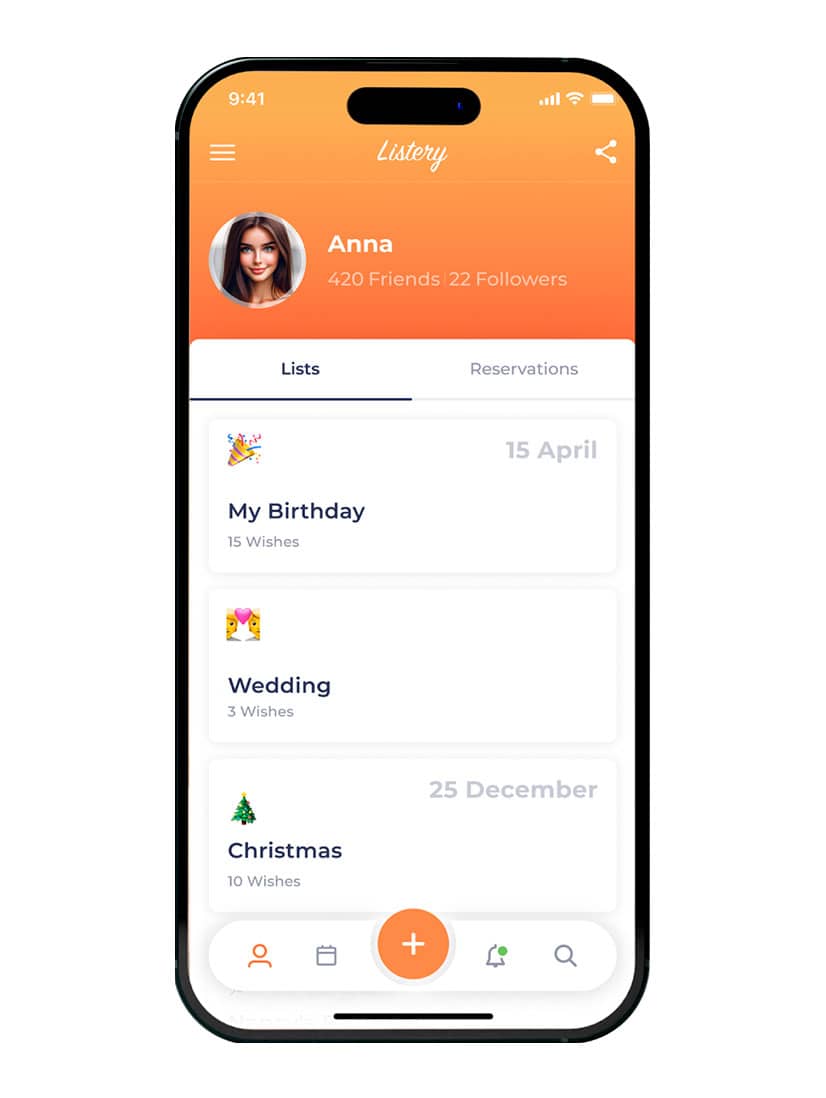
Secret Santa is simple on paper: everyone draws a name, buys one gift, stays anonymous until the reveal. In practice, every office and family manages to reinvent three classic disasters — someone forgets, someone spends triple the budget, and someone gets a gift that’s clearly a regift from last year. The rules below fix all three, and they fit in one message to the group chat.
The five rules that make Secret Santa work
- Set the budget as a range, not a cap. “$15–$20” works better than “up to $20”, because a cap invites $6 gas-station gifts next to $20 thoughtful ones. Most groups land on $15–$25; going above $30 quietly excludes people.
- Draw names with a tool, not from a hat. A hat draw in the office kitchen means someone’s absent, someone draws themselves, and someone saw. An app draw handles exclusions (couples, managers) and re-draws instantly. Listery’s Secret Santa generator does the draw and keeps assignments genuinely secret — even the organizer can’t peek.
- Collect wishlists up front. Anonymity plus zero information is how novelty socks happen. Have every participant attach a short wishlist at sign-up; buying for a name you barely know becomes a two-minute task instead of a mall wander.
- Set two dates, not one. A “gifts bought by” date a week before the exchange, and the exchange itself. The reminder before the first date is what saves the person who always forgets.
- Decide the reveal rule in advance. Guess-the-Santa after each gift is the fun version for families and small teams; staying anonymous forever suits big offices. Both are fine — announcing it beforehand is what matters.
Exclusions, remote players, and other real-life cases
A few situations that break naive name-draws, and the standard fixes:
- Couples in the group — exclude them from drawing each other; they already exchange gifts. Any decent generator supports exclusion pairs.
- Remote participants — shift them to online gifts: an e-card, a digital subscription, or shipping directly to their address from the store. Wishlists with links make this painless.
- Someone drops out late — the organizer quietly takes the orphaned name. This is the one place organizer-anonymity bends.
- Kids in a family game — either give kids their own draw with a smaller budget, or make kids receivers-only. Mixing $10 kid budgets with $25 adult ones causes friction.
A timeline that never feels rushed
For a December exchange: sign-ups and wishlists by mid-November, draw before Thanksgiving, gifts bought by mid-December, exchange at the last gathering before the holidays. Total organizer effort with an app handling draws and reminders: about fifteen minutes, once.
Quick answers
What’s a normal Secret Santa budget?
$15–$25 for offices and friend groups, $25–$50 for families that treat it as the main gift exchange. Pick the number so the most budget-conscious person in the group is comfortable, not the most enthusiastic one.
Can the organizer participate?
Yes — if the draw is done by an app rather than by the organizer’s own hands. That’s half the reason to use one.
What if someone doesn’t know what to buy?
That’s what the attached wishlist is for. If your group skipped that step, browse gifts by person and budget in our gift ideas catalog — it’s built from what real people actually wishlist.