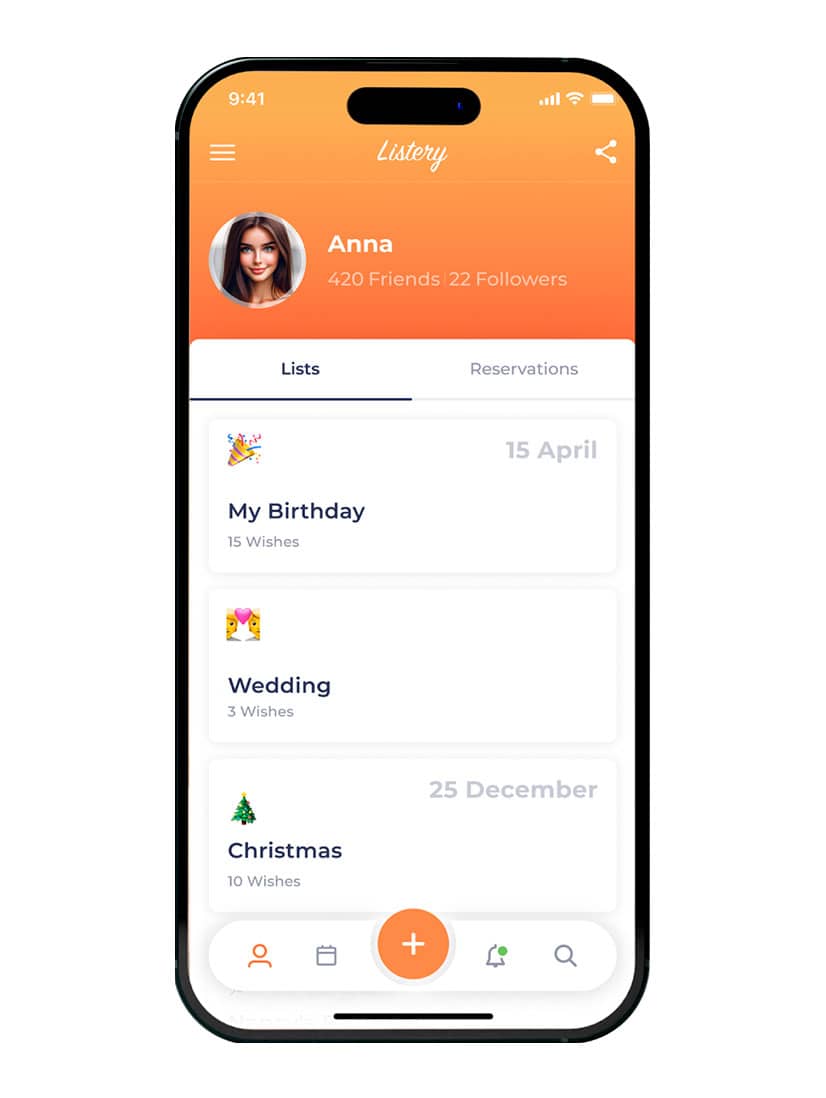
Every January, the returns counters tell the same story: perfume nobody asked for, sweaters in the wrong size, gadgets that duplicate something better. Meanwhile, the gifts that survive — the ones people keep, use, and mention in March — follow a pattern you can copy. We watch thousands of wishlists get made in the Listery app, and the items people ask for look very different from the items people guess at.
The pattern behind gifts people keep
Three traits show up over and over in wishlisted gifts, and they’re the anti-returns formula:
- They’re specific. People don’t wishlist “a blanket”; they wishlist the exact blanket — brand, color, size. A gift matched to a stated want has nowhere to fail.
- They attach to a habit that already exists. The runner asks for running gear, the cook for the knife. Gifts that require a new lifestyle (“you could start journaling!”) are the most-returned category there is.
- They’re the version people won’t buy themselves. The $40 candle, the properly good coffee, the upgrade tier of the thing they use daily. Affordable to a giver, indulgent to the receiver — that’s the sweet spot.
What this looks like under the tree
Translated into actual shopping, the keep-forever categories, with the reliable picks inside each:
- Daily-use upgrades — quality versions of headphones, wallets, water bottles, weekend bags. Browse by person in our gift catalog to match the specific human.
- Consumables with taste — great coffee, chocolate that comes in a box worth keeping, hot sauce for the person with opinions about hot sauce. Zero clutter risk, which is why they’re never returned.
- Hobby deep-cuts — the accessory only a fellow enthusiast would know to buy. This is where a wishlist shines: you get the exact model number without needing to understand it.
- Cozy neutrals — throws, slippers, robes in cream, grey, and beige. Size-flexible and taste-safe, which is why they top the “gifts for” searches every December: see for mom, for grandma.
- Experiences with a date — tickets and bookings beat vague vouchers; a plan is a gift, a “someday” is homework.
The step that removes guessing entirely
Here’s the quiet revolution in how families do Christmas now: everyone keeps a wishlist, and gift-giving becomes choosing which wanted thing to give, not guessing whether it’s wanted at all. The surprise survives — nobody knows which item, or from whom — but the returns line doesn’t. In Listery’s Christmas wishlist, family members can even reserve items secretly, so two aunts don’t buy the same slippers.
If your family hasn’t made lists yet, September-to-November is the window: send one link to the group chat, let it fill up quietly, shop in peace before December prices and shipping panic arrive.
Quick answers
What’s the most returned Christmas gift?
Clothing leads returns every year — sizes and taste are guessed wrong more often than right — followed by beauty products and consumer gadgets. All three become safe when they come off an actual wishlist instead of a guess.
When should I start Christmas shopping?
October, realistically. Prices are calmer, popular items are in stock, and shipping has slack. The families that finish before December all share one habit: the wishlists were made in autumn.
How do I find out what someone wants without asking?
Ask anyway — or better, get them wishlisting. “Send me your Listery list” is one message, feels casual, and replaces a season of detective work.