A birthday wishlist works when it does two jobs at once: it saves your people from guessing, and it saves you from unwrapping a third scented candle. The recipe is short — 10 to 15 items, spread across price ranges, shared a few weeks before the date — but most lists fail on details that take five minutes to fix. Here’s how to build one people will actually buy from.
Start with the price spread, not the items
The most common wishlist mistake is accidental: every item costs about the same. Your coworker opens the list, sees nothing under $60, closes the list, buys you a mug. A list that works has three tiers:
- Under $25 — for coworkers, distant relatives, and friends-of-friends. Books, snacks you love, small accessories, that specific tea.
- $25–$75 — the core of the list, where most friends and family shop. Aim for at least half your items here.
- $75+ — one to three “dream tier” items. These are for parents, partners, or groups of friends chipping in together.
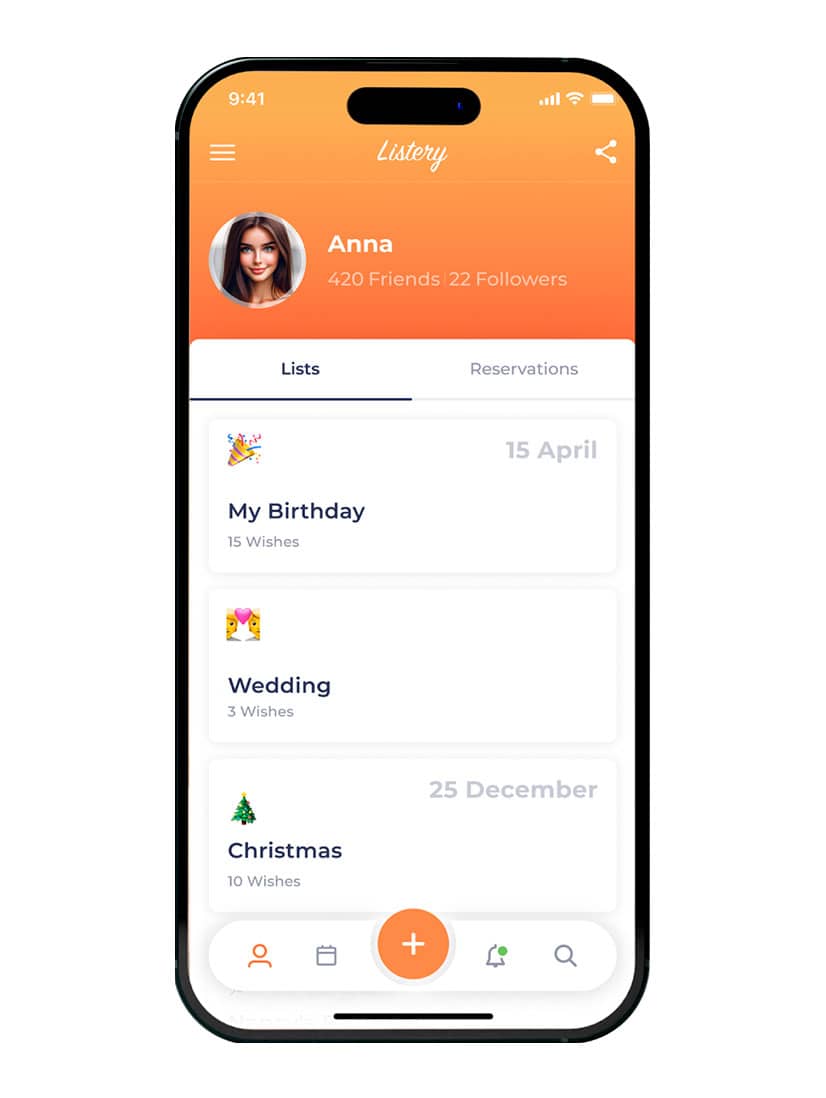
That last case is worth designing for: a group of five friends spending $20 each can cover a $100 gift — but only if they can see the big item and coordinate. In the Listery app, friends can reserve an item so nobody double-buys it, which quietly solves the two classic birthday disasters: duplicate gifts and “we didn’t know you wanted that”.
Be specific enough to survive a stranger
Write each item as if the buyer knows nothing about you, because your aunt doesn’t know what “the usual headphones, but better” means. Specific beats vague every time:
- Not “running shoes” — “Brooks Ghost, size 9, the grey ones”.
- Not “something cozy” — “an oversized knit blanket, cream or beige, no fringe”.
- Not “a book” — “the new Erin Morgenstern, hardcover”.
If you’re saving items in a wishlist app, paste the exact product link — Listery pulls in the photo, price, and store automatically, so there’s no ambiguity about which version, which color, which size. The five minutes you spend being precise is five returns someone else doesn’t make.
What to put on it when your mind goes blank
Everyone freezes when asked what they want. Walk through these categories and you’ll have fifteen items before you finish your coffee:
- Upgrades — things you already use daily, in the version you’d never buy yourself: wallet, water bottle, headphones, work bag.
- Consumables — coffee, skincare, hot sauce, fancy chocolate. Zero clutter, always welcome.
- Hobby fuel — whatever feeds your current obsession, from yarn to yoga blocks to game credit.
- The postponed purchase — the thing you’ve googled three times and closed the tab on. That’s a wishlist item, not a character flaw.
- Experiences — concert tickets, a massage, a class. Great for the $75+ tier.
Need inspiration by person or occasion? Browse our gift ideas catalog — it’s built from what real people save to their wishlists, sorted by recipient, age, and budget.
Share it early, and don’t be weird about it
A wishlist shared two days before your birthday is a to-do item; shared three weeks early, it’s a relief. The etiquette that keeps it comfortable:
- Share the link when someone asks what you want — that’s not greedy, that’s answering a question.
- For family occasions, one message to the group chat (“if you’re stuck for ideas, here’s my list — zero pressure”) lands fine.
- Never assign specific gifts to specific people. The list is a menu, not homework.
And keep the list alive year-round. The best wishlist isn’t written in a panic the week before your birthday — it’s the one you add to in the moment, every time you think “oh, I’d love that”. By the time the date rolls around, the work is already done.
Quick answers
How many items should a birthday wishlist have?
10–15. Fewer than 8 feels like an order form; more than 20 overwhelms buyers. Spread them across price tiers so everyone from coworkers to parents finds something.
Is it rude to share a wishlist?
No — surveys on gifting consistently find people prefer buying something the recipient actually wants over guessing. Share it when asked, keep the tone light, and include a range of prices so nobody feels boxed in.
What’s the easiest way to make one?
A wishlist app beats a notes-app list because links stay attached to photos and prices, friends can reserve items to avoid duplicates, and you can share one link instead of forwarding screenshots. Listery is free on iOS and Android, and works with any online store.